
How a dental implant works
A natural tooth has two parts: the crown you see and the root that anchors it in the jaw. When a tooth is lost, the root goes too, and the bone that held it slowly shrinks because nothing is loading it any more. A dental implant replaces the root. It is a precisely made post, usually titanium, placed into the jawbone. Over the following weeks the bone grows tightly against its surface, a process called osseointegration, until the implant is firmly held.
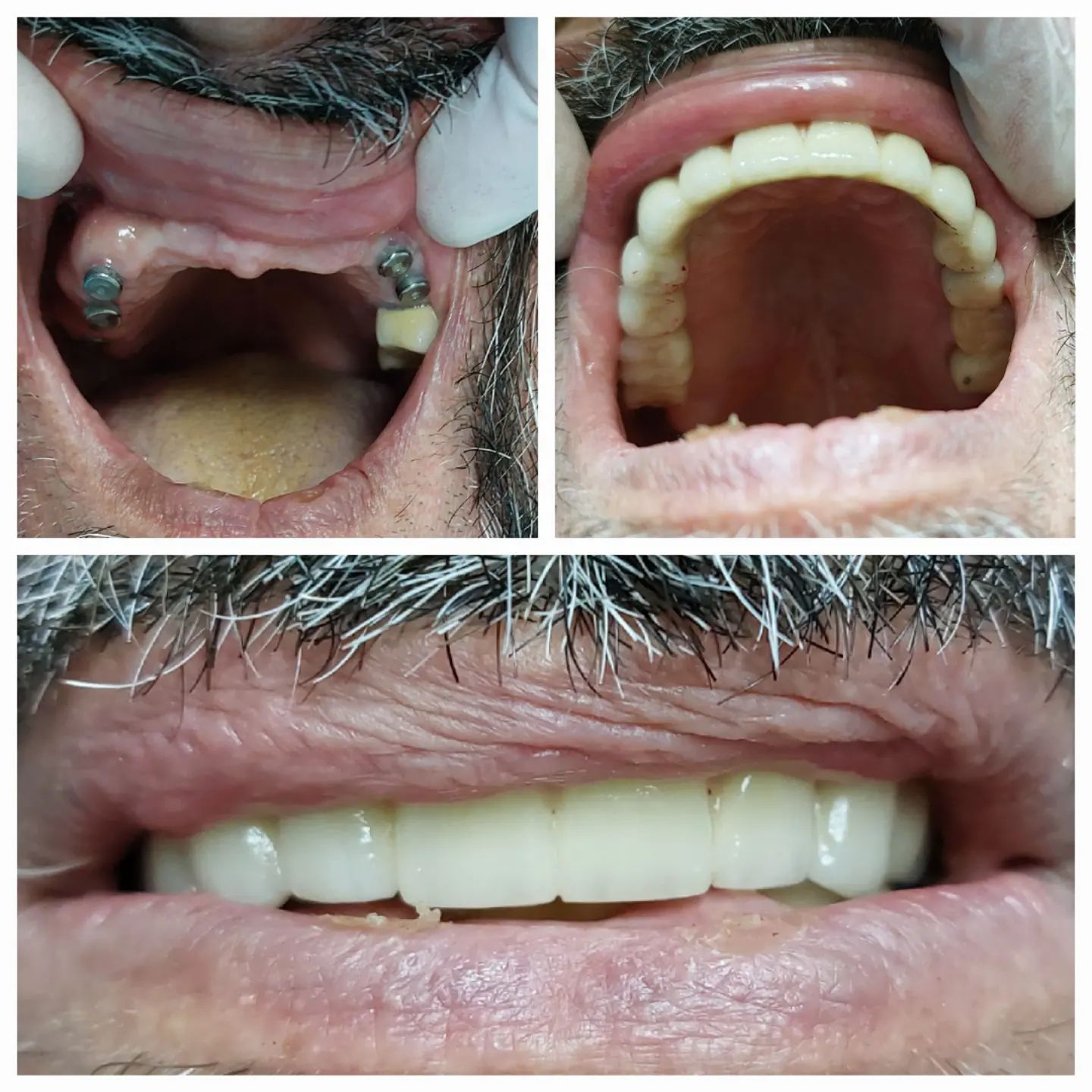
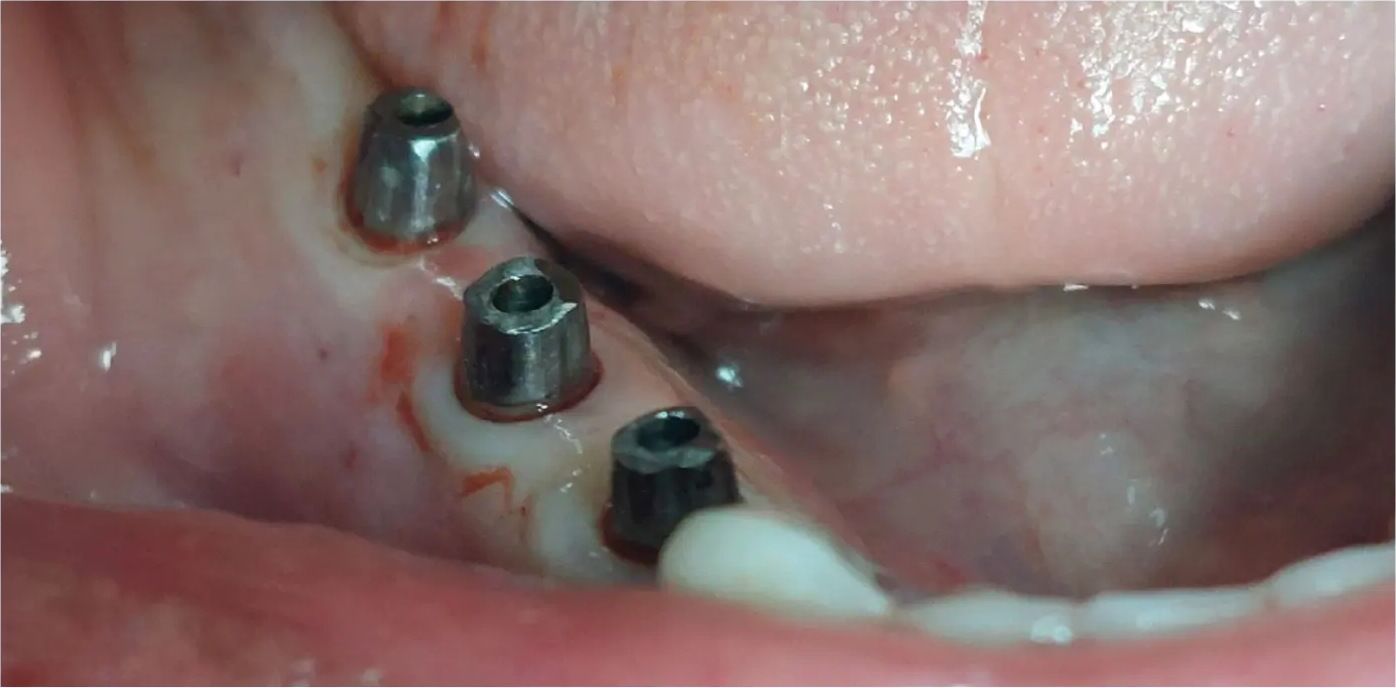
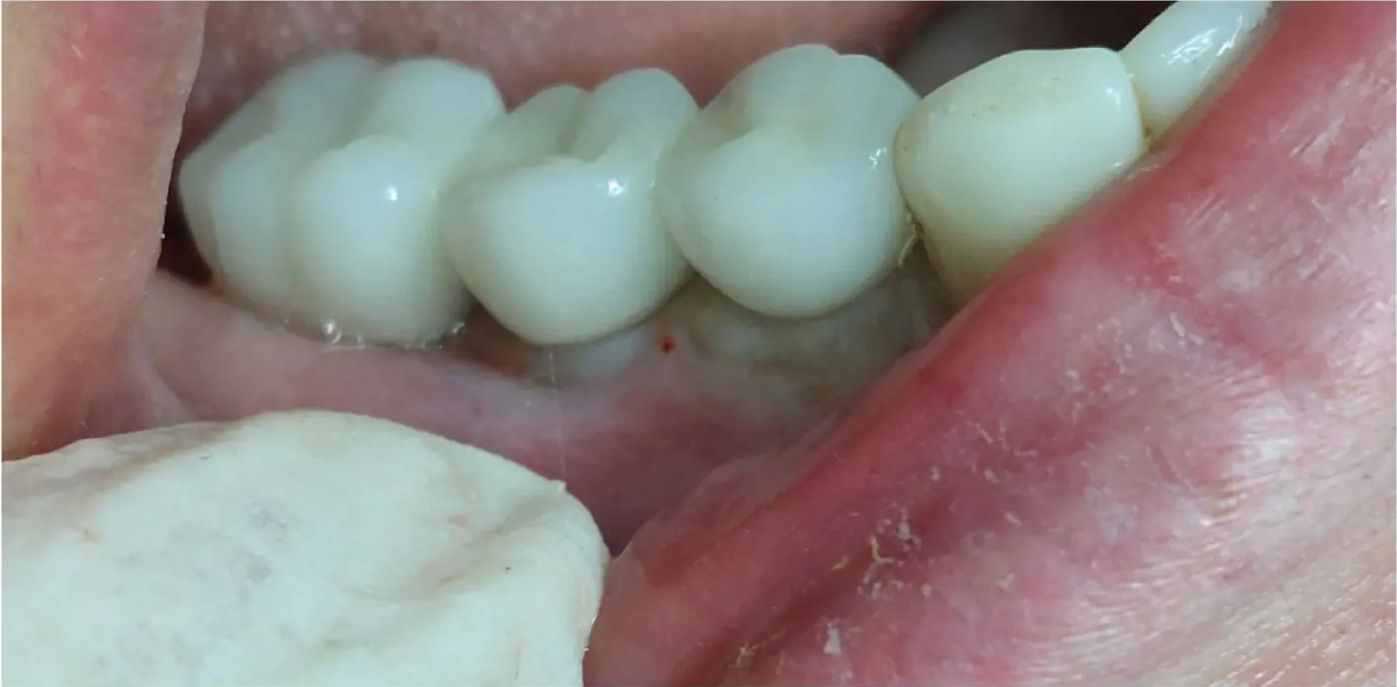
On top of the implant sits a small connector, the abutment, and on top of that the visible tooth: a crown for a single tooth, a bridge for several, or a full arch of fixed teeth when most or all teeth are missing. Because the new tooth is anchored in bone rather than resting on the gum or relying on neighbouring teeth, it is designed to feel stable when you bite and to be cleaned much like your own teeth.
The treatment, step by step
Every plan is individual, but implant treatment usually follows the same broad sequence.
- Consultation. You explain what you would like to change, and Dr. Nour examines your mouth, gums and bite.
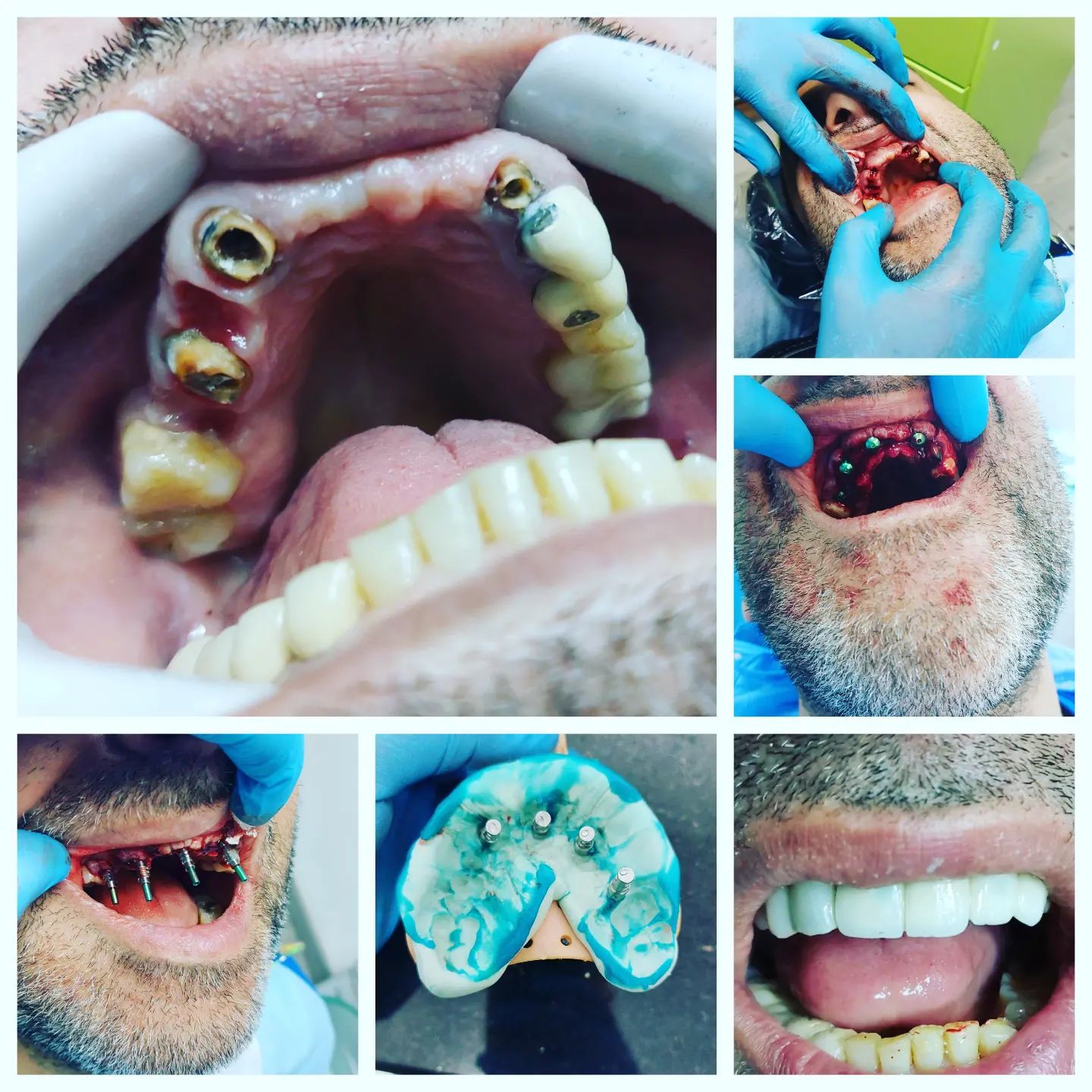
- Imaging and planning. X-rays, and three-dimensional imaging where it is needed, show the height and width of the bone and the position of nerves and sinuses. The implant position is planned around the final tooth.
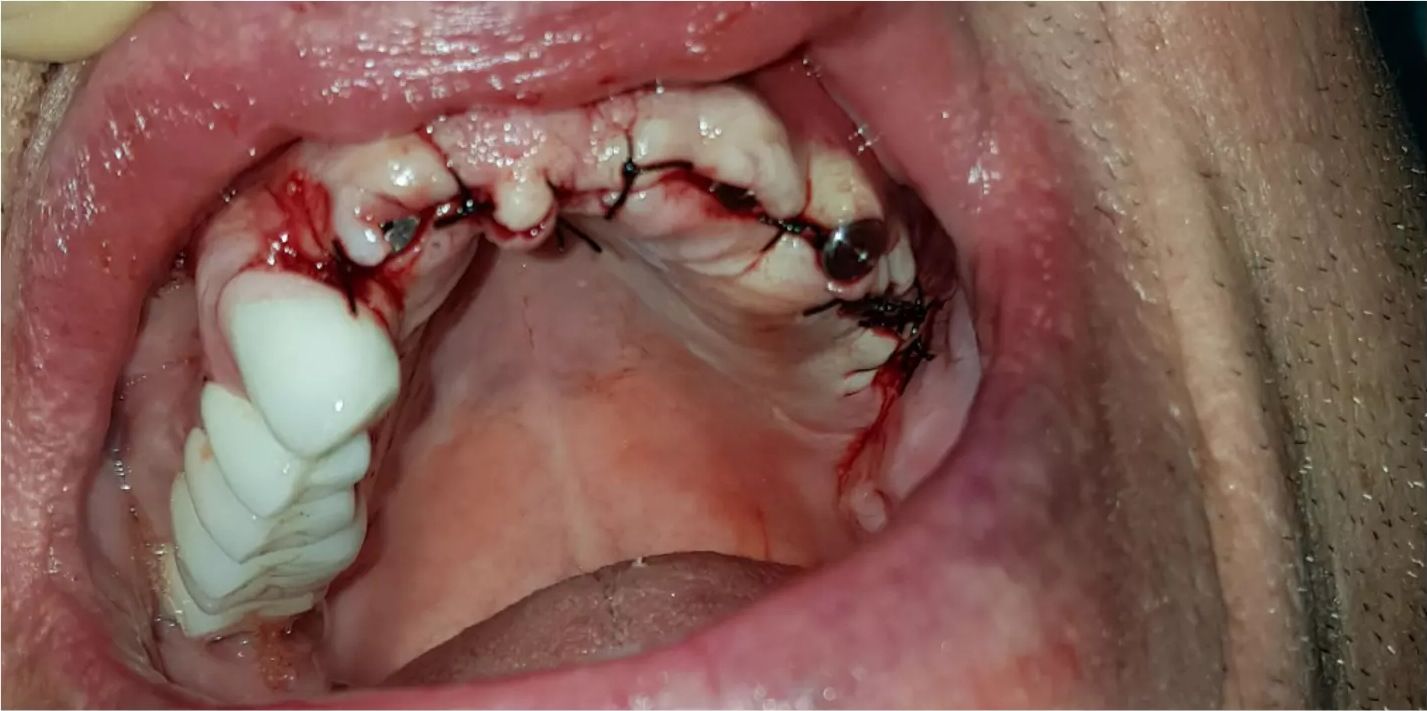
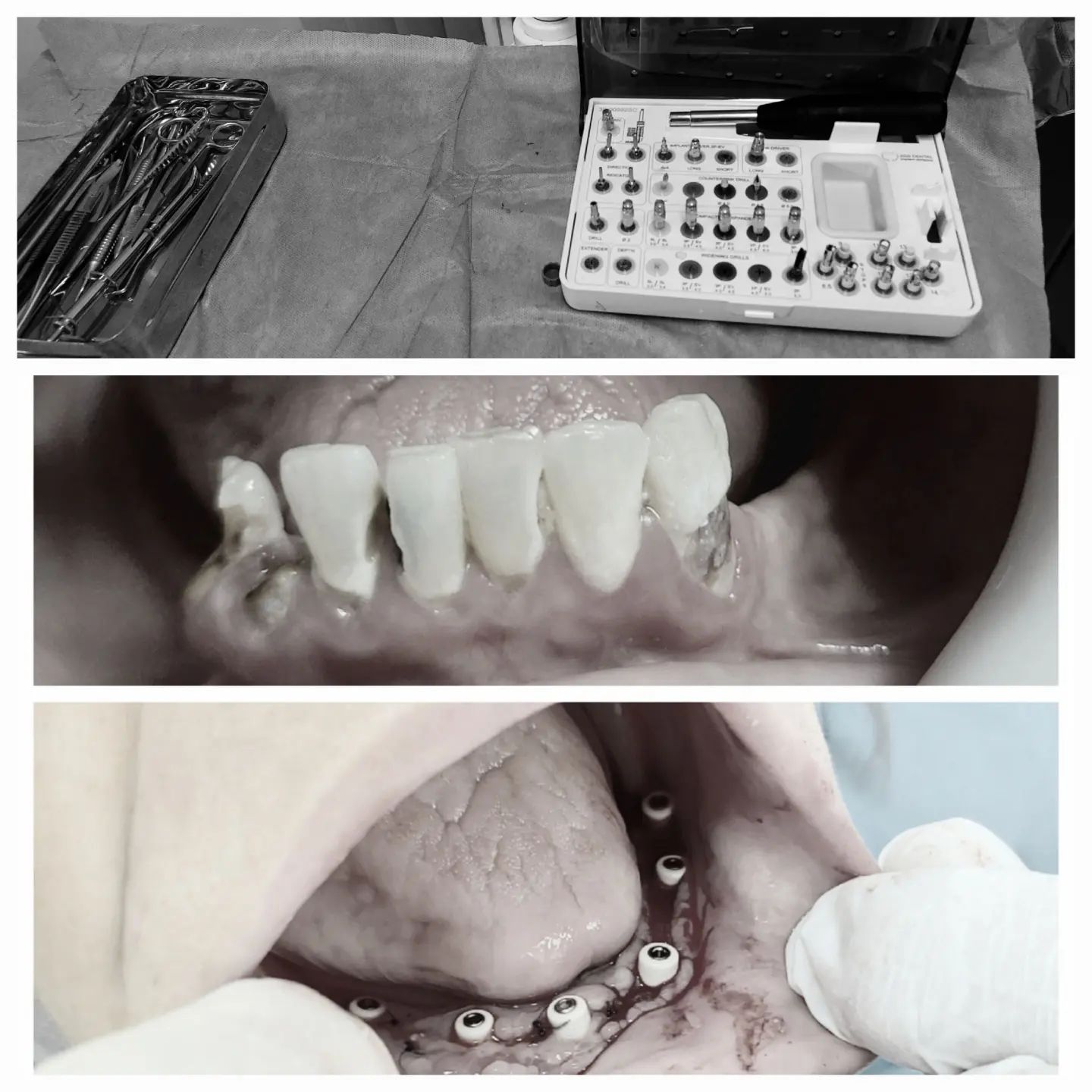
- Placement. Under local anaesthesia, the implant is placed in the bone. Depending on the case, a temporary tooth may be fitted the same day or the gum is closed over the implant to heal undisturbed.
- Healing. The bone integrates with the implant. During this time you can usually eat and speak normally, with some care around the area.
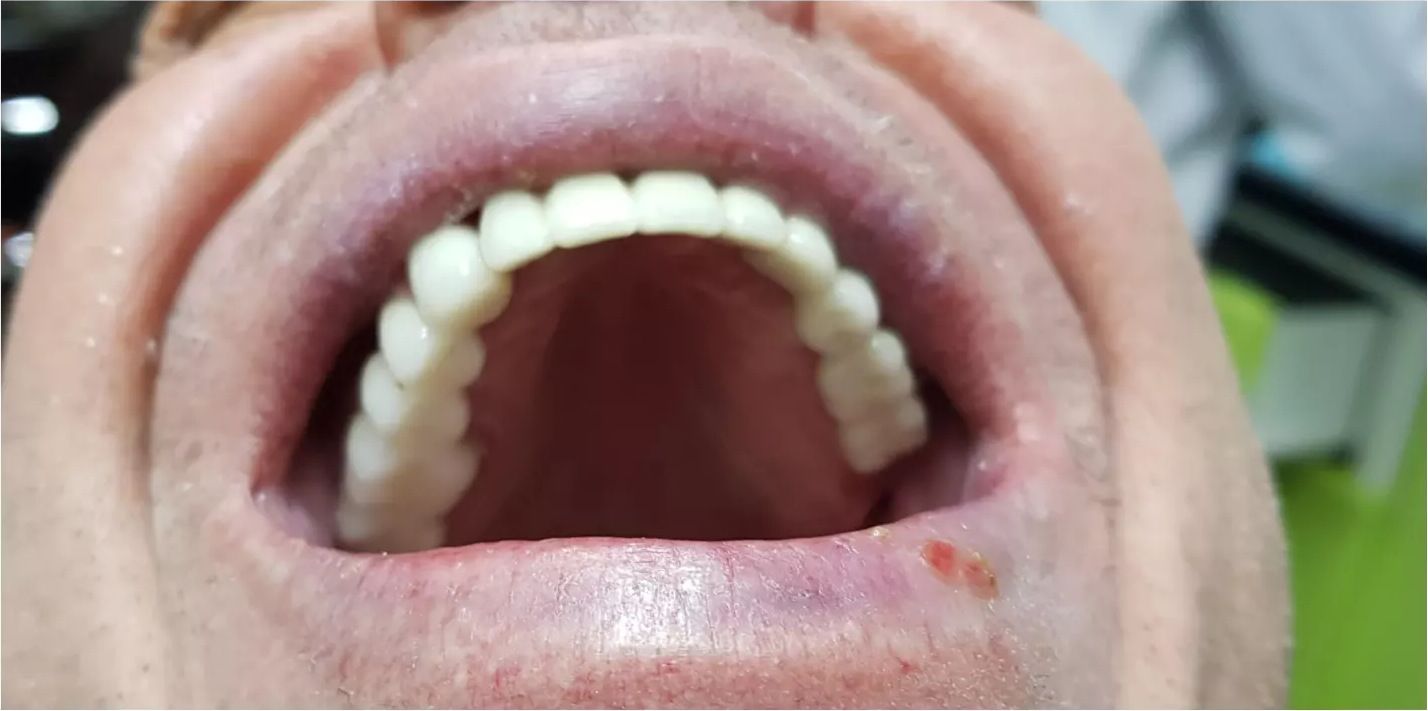
- Final restoration. Once the implant is stable, the abutment and final crown, bridge or arch are made and fitted, checked for bite and appearance, and adjusted where needed.
Healing and recovery
Most people return to normal activities the next day. For the first few days it is common to have some swelling, mild bruising and tenderness. Soft food, avoiding very hot drinks for the first day, not smoking and keeping the area clean as instructed all help healing. You will be given specific written instructions and a way to reach the clinic if anything worries you.
Integration of the implant with the bone takes time. The exact period depends on the bone quality, the site in the mouth and whether a temporary tooth is in place.
Looking after implants
An implant cannot decay, but the gum and bone around it can become inflamed if plaque builds up, in the same way gum disease affects natural teeth. Long-term success depends on daily care and regular reviews.
- Brush twice a day and clean between teeth and around implants with floss, interdental brushes or a water flosser, as shown at your appointment.
- Keep regular review and hygiene appointments so the implant, the gum and the bite can be checked.
- If you grind your teeth at night, a protective night guard may be recommended.
- Tell the clinic early about any bleeding, soreness or looseness around an implant.
Risks and limits
Implant surgery is a well-established procedure, but like any surgery it carries risks, and they are discussed before treatment. These can include swelling, bruising, infection, temporary or rarely lasting numbness if a nerve is affected, sinus involvement in the upper jaw, and an implant that fails to integrate and needs to be removed and replaced later. Smoking, poorly controlled diabetes and some medications increase these risks. Your medical history is reviewed so the plan takes account of them.
How the cost of implant treatment is worked out
There is no single price for “an implant”, because the treatment is built from several parts that vary from person to person: the number of implants, whether extractions or bone augmentation are needed, the type of restoration (crown, bridge or full arch), any temporary teeth, and the number of visits. After the examination and imaging, you receive a written plan that sets out each stage, so you know what is included before you decide.