How veneers work
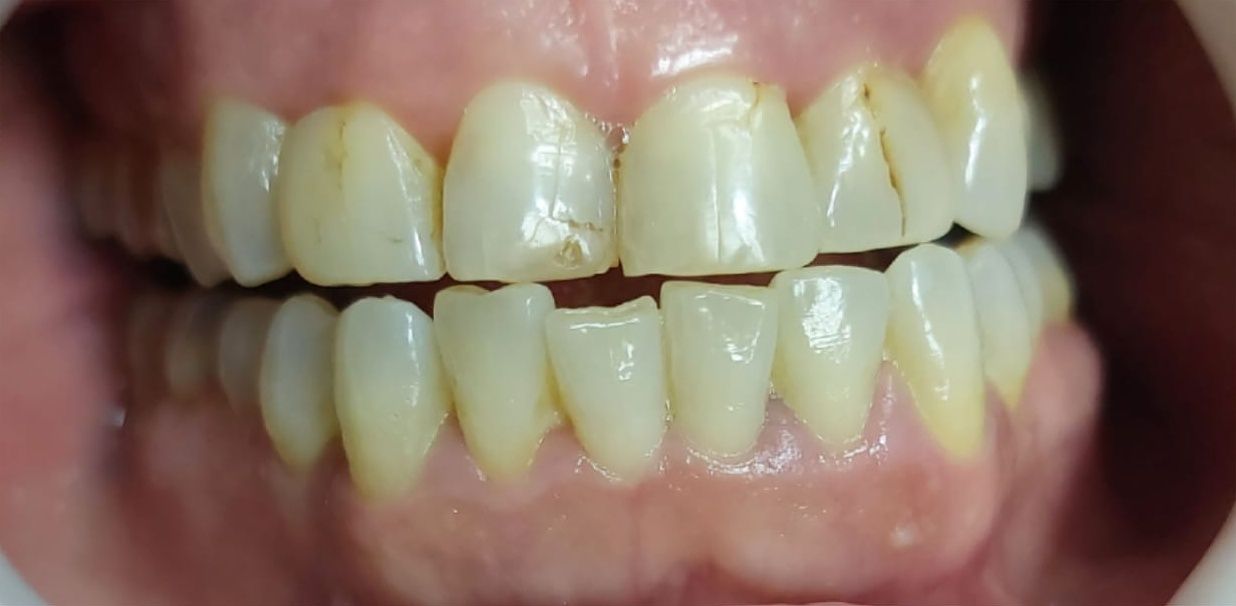
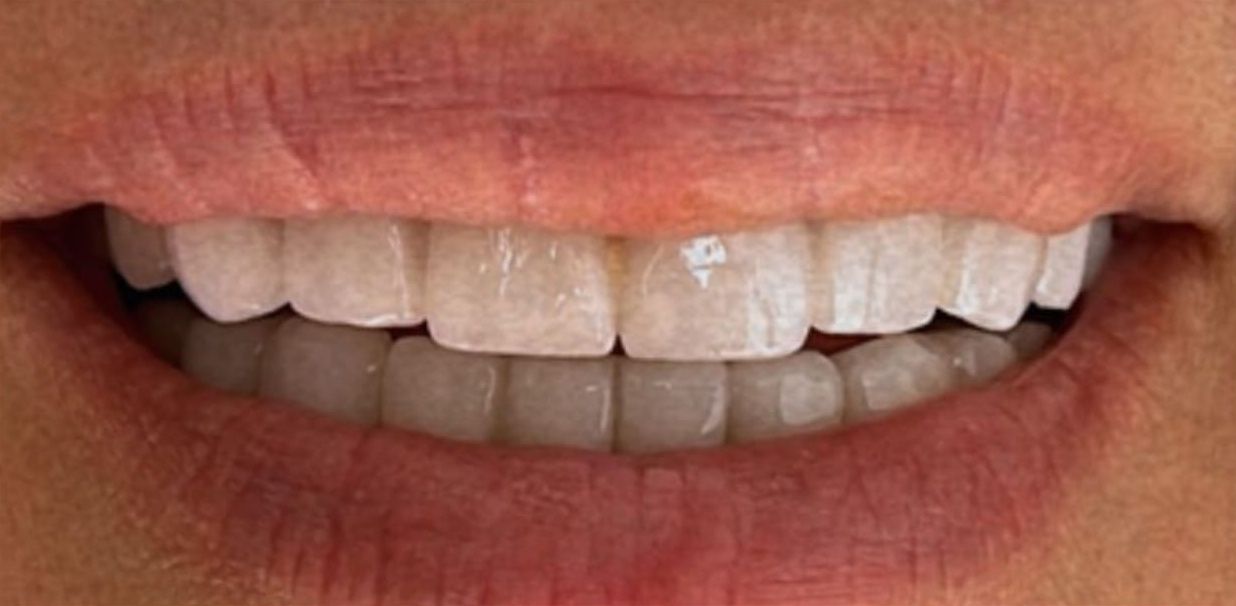
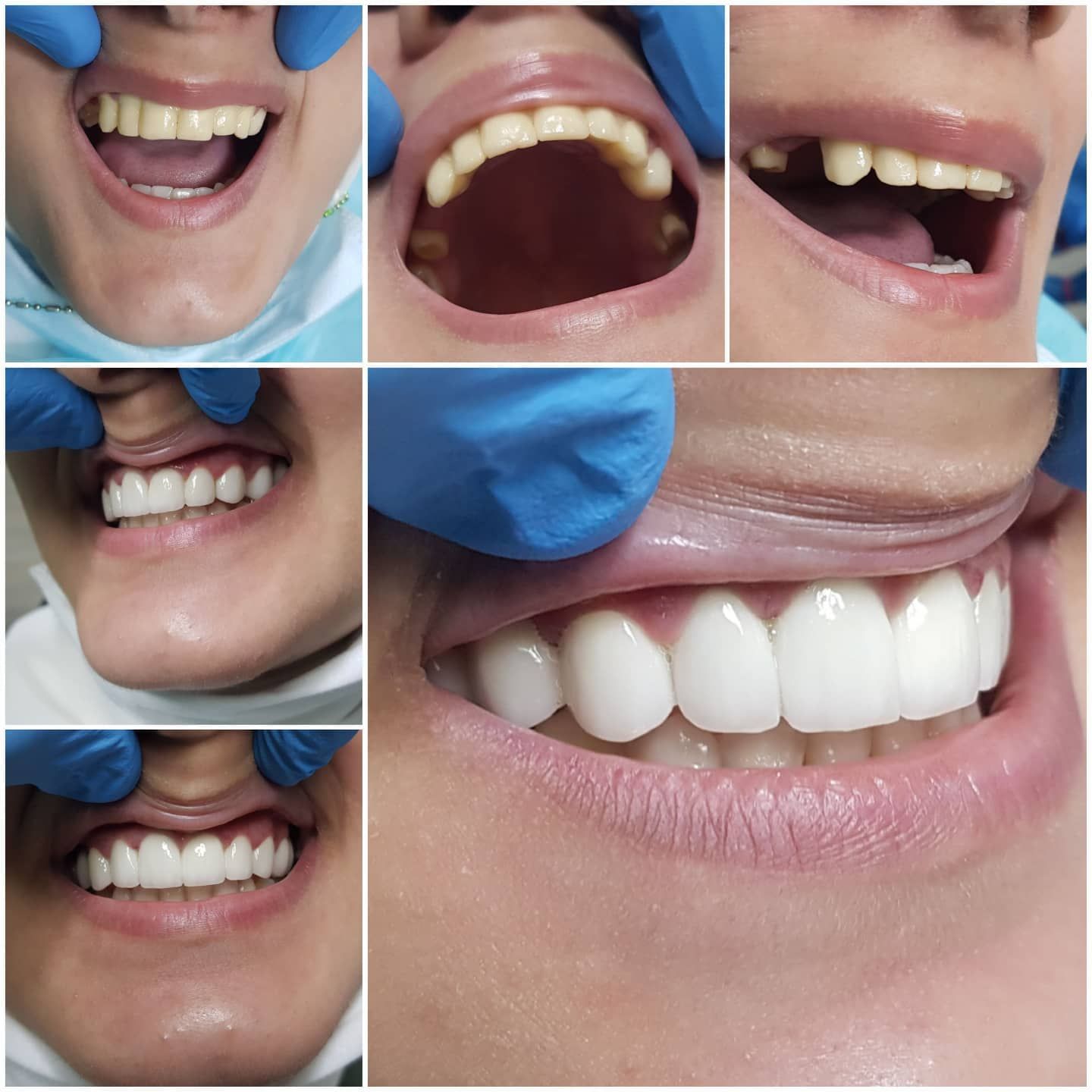
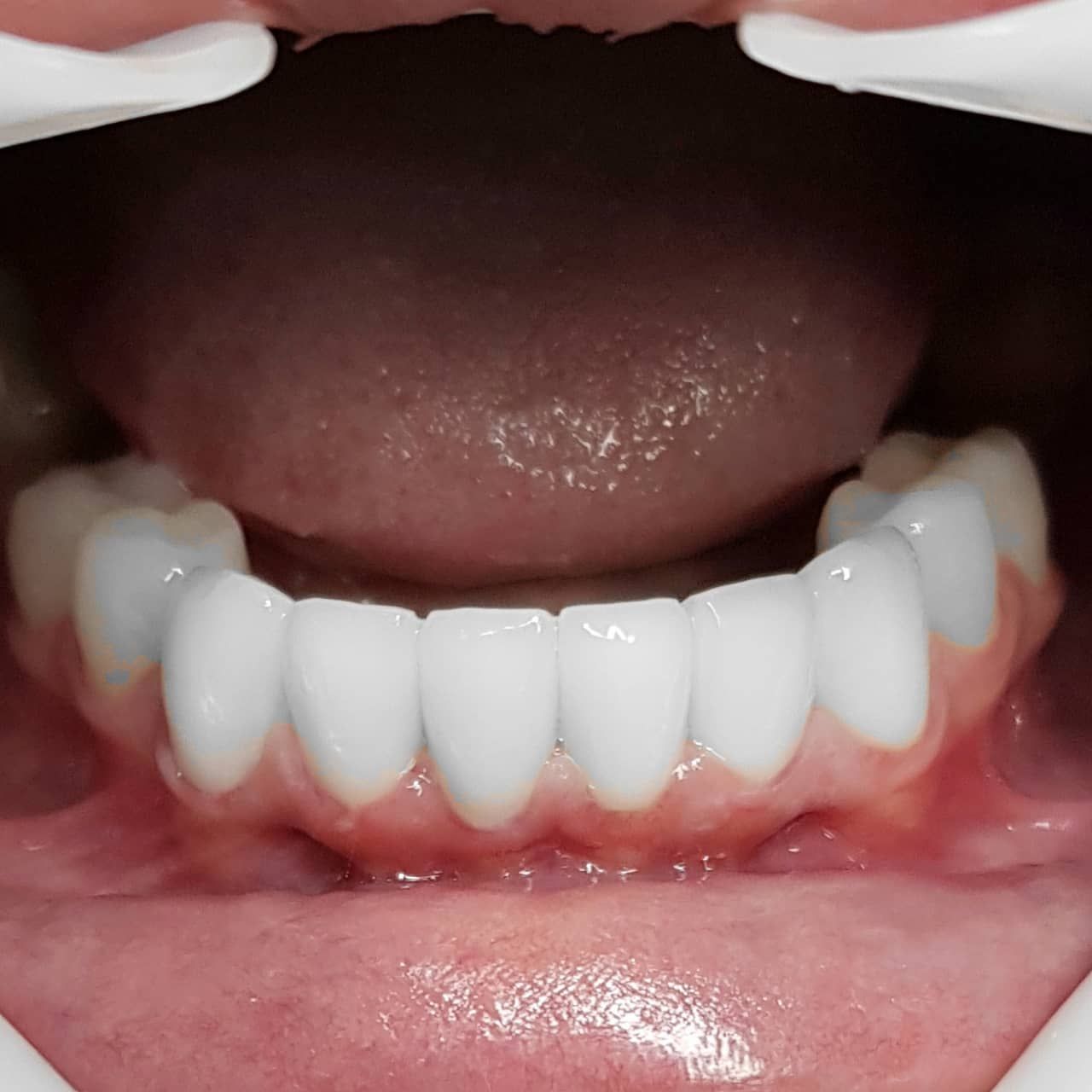
Veneers change what the front of a tooth looks like without replacing the tooth. They are most often made from ceramic, which reflects light in a way close to natural enamel, or from composite resin built up directly on the tooth. Each veneer is shaped for its tooth and bonded to the front surface with an adhesive that makes it part of the tooth.
Because a veneer only covers the visible surface, it is a conservative way to change colour, shape and proportion. It is not a solution for every problem. Teeth with large fillings, active decay, gum disease or a heavy grinding habit may need other treatment first, or a different restoration altogether.
Planning a natural result
Good veneers start with a plan rather than a shade guide. Dr. Nour looks at the face, the lips at rest and in a smile, the line of the gums, the bite and the existing shape of the teeth. The goal is natural beauty: proportions that suit you, a believable shade with some translucency, and edges that follow the curve of the lower lip.
Photographs and models or scans help show the intended change. Where useful, a preview of the new shape can be made so you can see and approve the direction before any permanent work.
The treatment, step by step
- Consultation. What you would like to change is discussed, and the teeth, gums and bite are examined to confirm veneers are suitable.
- Design. Shape, length and shade are planned from photographs and records.
- Preparation. Where needed, a thin layer of the front surface is reshaped under local anaesthesia. Temporary veneers may be fitted.
- Making the veneers. Ceramic veneers are made individually from an impression or scan.
- Fitting. The veneers are tried in, checked for colour and fit, then bonded in place. The bite is checked and fine adjustments made.
After treatment
There is usually little discomfort after veneers. Some people notice temporary sensitivity to cold, and it takes a few days to get used to the feel of the new edges. A review appointment checks the gums, the bite and how the veneers have settled.
Looking after veneers
- Brush twice a day with a non-abrasive toothpaste and clean between the teeth daily.
- Avoid biting very hard objects such as ice, pens or nutshells with the front teeth.
- If you grind or clench, a night guard may be recommended to protect the veneers.
- Keep regular reviews and hygiene visits so small issues are found early.
Risks and limits
Preparing a tooth for a veneer is not reversible, which is why preparation is kept to what the case needs. Veneers can chip or come away, especially with grinding or biting hard objects, and may need repair or replacement in time. The gum around veneers can recede with age, which may eventually show a margin. These points are part of the consultation.
How the cost of veneers is worked out
The cost depends mainly on the number of teeth treated, the material (ceramic or composite), whether preparatory treatment such as gum care or whitening is needed, and any preview or temporary veneers. After the consultation you receive a written plan that sets out what is included.