Skip to content

Treatment 06 / 06

Teeth Alignment

Improving the position and evenness of the teeth that show when you smile.

Dental implantology · Beirut · Nabatieh

Book an Appointment

What does teeth alignment involve?

Teeth alignment is treatment that improves the position or evenness of the teeth. Depending on the case, this may mean moving the teeth, reshaping or restoring them, or a combination of both. The right option depends on the cause and is decided at assessment.

Who it is for

When it may be considered.

General examples, not a diagnosis. Whether a treatment suits you can only be decided after an examination.

A clear aligner held between two fingers
  • Front teeth are uneven, overlapping or irregular in length.
  • Crowded teeth are difficult to keep clean.
  • Small gaps have opened between teeth.
  • Alignment is needed before veneers, crowns or implants.
  • You want a more even smile without changing more than necessary.

Why alignment matters

Uneven, crowded or irregular teeth affect more than appearance. Overlapping teeth trap plaque and are harder to clean, which raises the risk of decay and gum problems. An uneven bite can concentrate forces on certain teeth and lead to wear or chipping. And before veneers, crowns or implants, the position of the teeth determines how much needs to be done and how natural the final result can look.

Two ways to improve alignment

Moving the teeth. Orthodontic treatment, for example with clear aligners or fixed braces, moves teeth gradually through the bone into a better position. It keeps natural tooth structure intact and is often the most conservative choice when teeth are in the wrong place.

Reshaping or restoring the teeth. When the problem is mainly the shape or length of the teeth, or when only small changes are needed, reshaping, bonding or veneers can make the smile look more even without moving the teeth. This changes the teeth themselves, so it is chosen when it is the better fit for the case.

Often the best result combines the two: moving teeth into a better position first, then refining their shape with restorations.

Assessment and planning

Alignment starts with understanding the cause. Dr. Nour examines the teeth, the bite and the gums, and records are taken with photographs and scans or models. The options are explained with their benefits, limits and time scales. Where more than one approach would work, the starting point is the one that keeps the most healthy tooth.

The treatment, step by step

  1. Consultation. What you would like to change is discussed, and your teeth and bite are examined.
  2. Records. Photographs and scans or impressions show the current position of the teeth.
  3. Plan. The options are explained, from moving teeth to reshaping them, with the expected sequence.
  4. Treatment. Alignment, restorative work or both are carried out as planned, with regular check visits.
  5. Retention and review. Results are held with retainers where teeth have been moved, and reviewed over time.

Looking after aligned teeth

  • Wear retainers exactly as advised. Teeth naturally tend to drift back.
  • Keep up daily brushing and cleaning between the teeth, especially during treatment.
  • Attend check visits so progress and gum health can be monitored.

Risks and limits

Orthodontic movement needs commitment, and results depend on wearing appliances and retainers as instructed. Some people notice temporary soreness as teeth move. Restorative alignment changes the tooth surface and is not reversible. These trade-offs are part of choosing the right approach.

How the cost of alignment is worked out

The cost depends on the approach chosen, the number of teeth involved, how long treatment takes and whether restorative work is combined with it. After assessment, you receive a written plan setting out the options and what each includes.
The approach

How Dr. Nour approaches it.

  1. 01

    Assess the cause

    Irregular teeth can be a matter of position, of shape or of wear. The treatment follows from which of these it is.

  2. 02

    Choose the conservative route

    Where more than one option exists, the starting point is the one that preserves the most healthy tooth.

  3. 03

    Plan it with the rest of the smile

    Alignment is considered together with any restorative work, so the final result is coherent.

Related cases

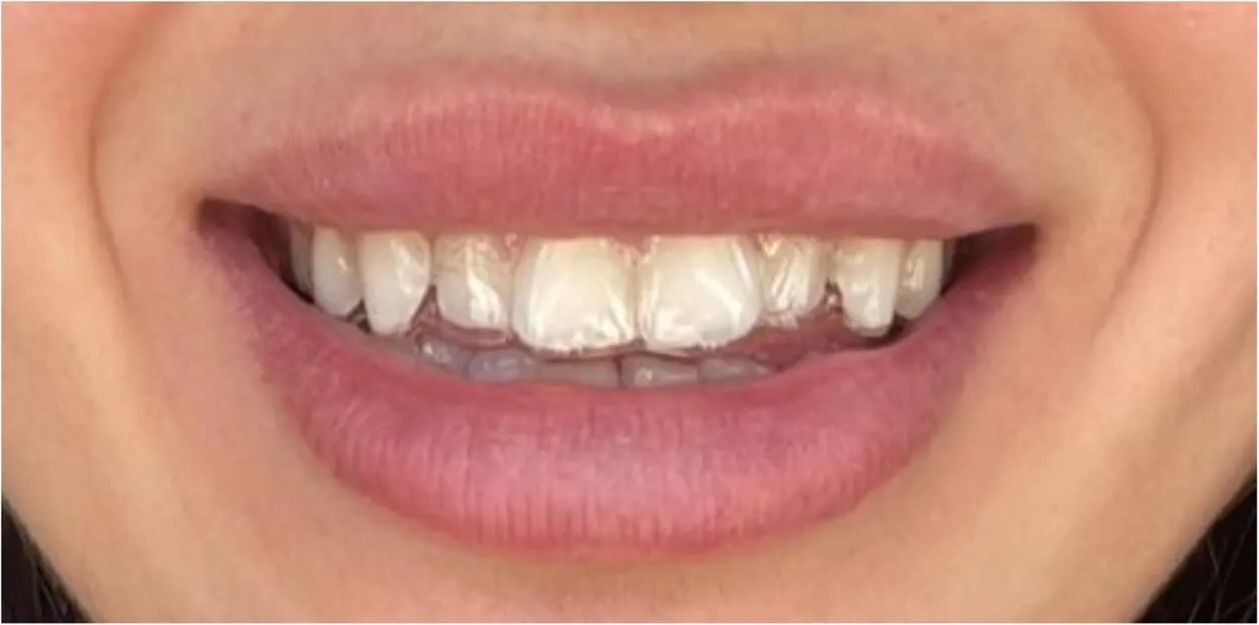
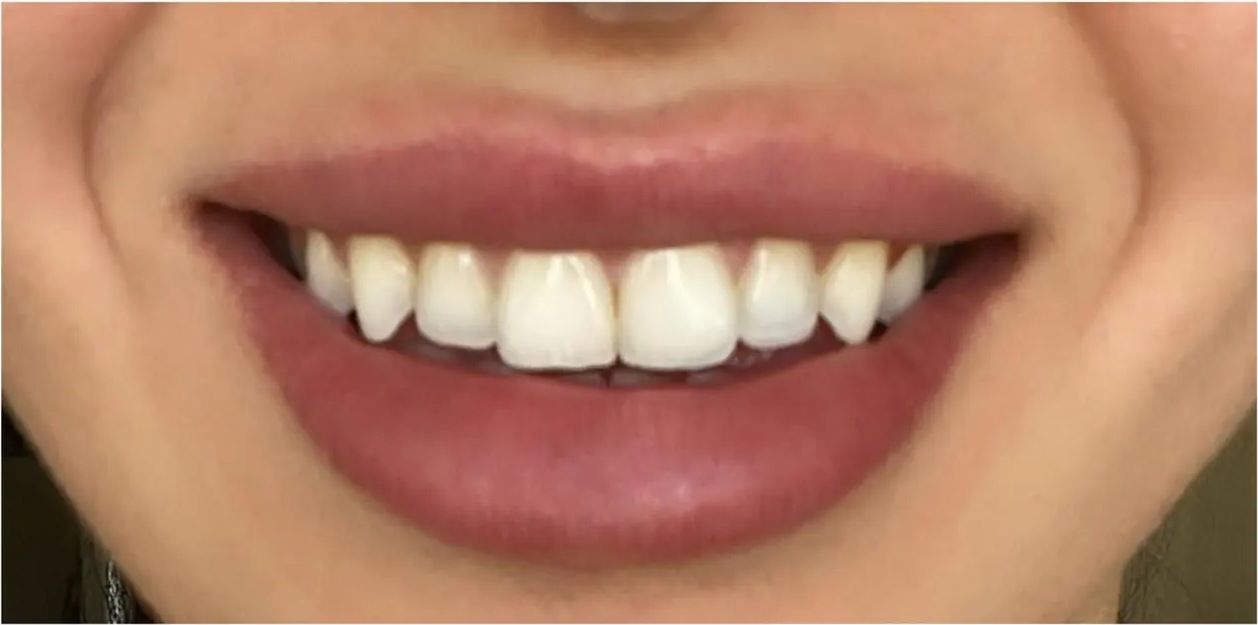
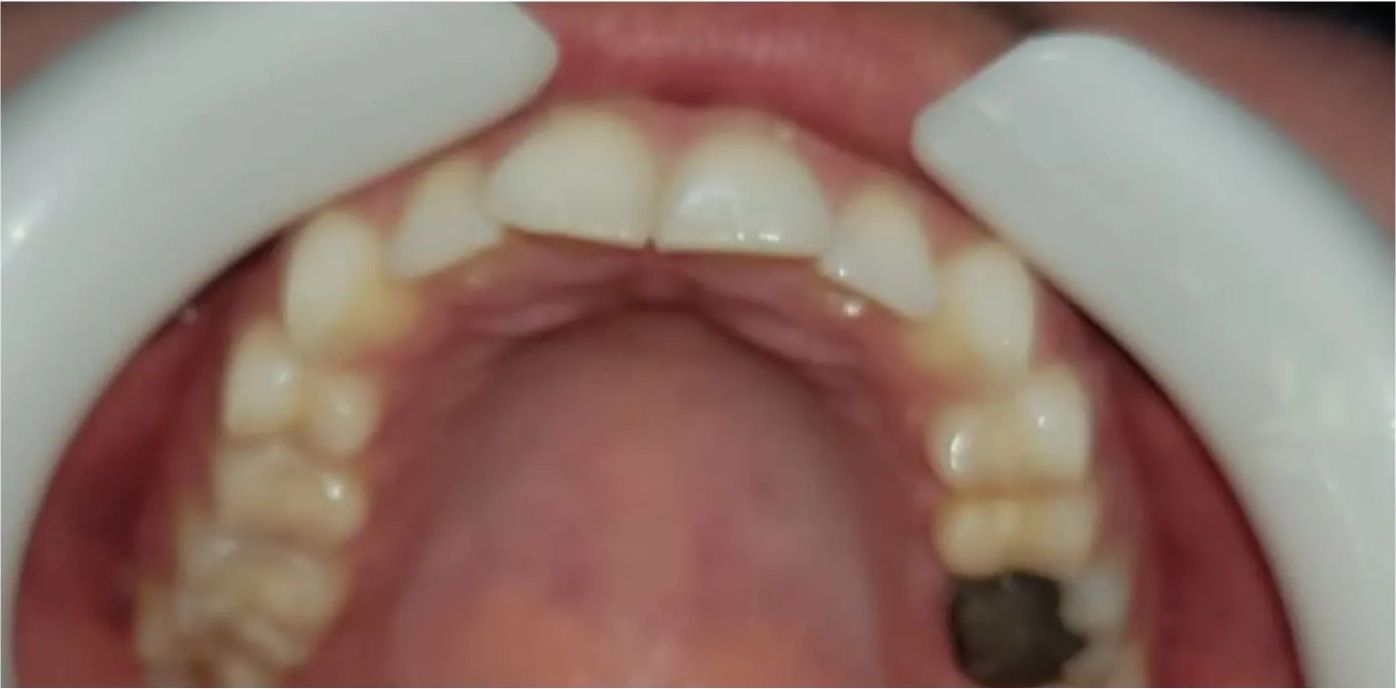
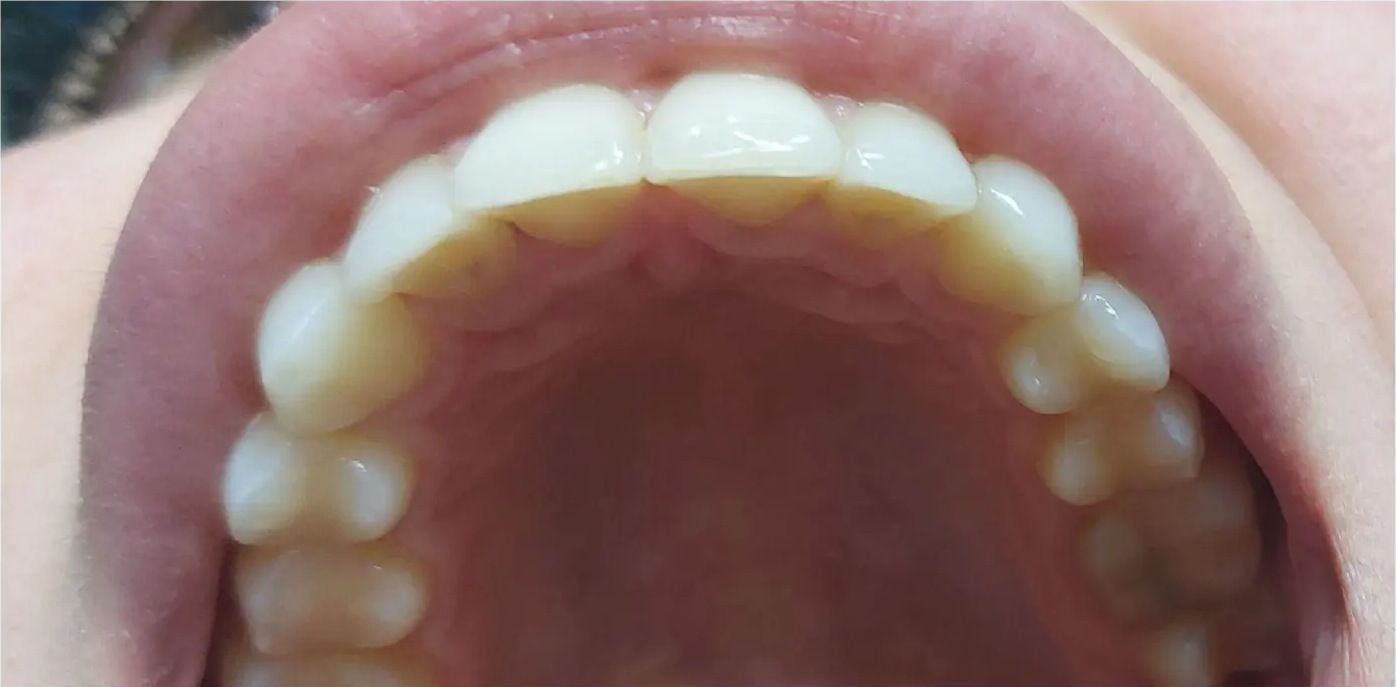
Teeth Alignment, in practice.

Clinical outcomes vary between patients. The cases shown are examples of individual treatments and are not a guarantee of a particular result.

Questions

Frequently asked.

General information only. It does not replace an examination or personal advice from a dentist.

What does teeth alignment involve?

Teeth alignment is treatment that improves the position or evenness of the teeth. Depending on the case, this may mean moving the teeth, reshaping or restoring them, or a combination of both. The right option depends on the cause and is decided at assessment.

What are the options for aligning teeth?

Options generally include moving the teeth orthodontically, for example with clear aligners or braces, or changing their shape and apparent position with restorations. Which suits you depends on the teeth, the bite and the change wanted.

Is alignment only cosmetic?

Not always. Well-positioned teeth are usually easier to clean, and the bite can influence wear. The reasons for treatment are discussed at the consultation.

How long does alignment take?

It varies widely. Small changes with restorations can take a few visits. Moving teeth takes longer, from months upwards, depending on how far they need to move.

Will my teeth move back afterwards?

Teeth that have been moved tend to drift unless they are held. Retainers are usually recommended after orthodontic movement to keep the result.

Can alignment be combined with veneers or crowns?

Yes. Aligning teeth first often means less tooth needs to be prepared for veneers or crowns, and gives a better result.

Where

Other treatments

Appointments

Let’s create your next smile.

03 09 27 62

Appointments are arranged by phone or through the request form, at either clinic. Sending a request does not commit you to anything.