Skip to content

Treatment 05 / 06

Smile Makeover

A planned combination of treatments that changes the overall appearance of a smile.

Dental implantology · Beirut · Nabatieh

Book an Appointment

What is a smile makeover?

A smile makeover is a treatment plan that improves the overall appearance of the teeth, usually by combining more than one type of treatment, such as veneers, crowns, implants and alignment. It is planned around the face, the lips and the bite rather than tooth by tooth.

Who it is for

When it may be considered.

General examples, not a diagnosis. Whether a treatment suits you can only be decided after an examination.

A digital smile design: the proportions of the front teeth planned on screen, with a measuring scale
  • Several things about your smile concern you at once, such as colour, shape, wear or gaps.
  • Older dental work no longer matches or functions well.
  • Missing teeth and worn teeth need to be treated together.
  • A single treatment alone would not achieve the change you want.
  • You want a natural result rather than a uniform, overly white look.

How a smile makeover works

A smile makeover is not a single procedure. It is a plan. It begins by looking at the smile as a whole: the shape and colour of the teeth, the way they line up, the gum line, how much tooth shows when you speak and smile, and how the teeth meet when you bite. From that picture, a combination of treatments is chosen to reach a result that suits the face.

The doctor’s own line describes the idea well: “A new smile is the best accessory you can wear.” Like any accessory, it should suit the person wearing it. That means proportions that fit your face, a shade that looks natural, and edges that follow the curve of the lower lip.

What goes into the plan

  • Veneers to change the colour, shape and length of front teeth.
  • Crowns for teeth that are broken, heavily filled or weakened.
  • Implants to replace missing teeth with fixed restorations.
  • Alignment to improve the position of teeth before or alongside restorative work.
  • Whitening to brighten natural teeth so restorations can be matched to them.

Not every plan uses all of these. Many need only two or three, and the order matters. Alignment or whitening, for example, usually comes before veneers so the final shade and position are right.

The treatment, step by step

  1. Consultation. You describe what you would like to change. Your teeth, gums, bite and facial proportions are examined.
  2. Records and design. Photographs, scans or models are used to design the new smile, and the plan is explained with its stages.
  3. Foundation work. Any decay, gum problems or missing teeth are addressed first, because cosmetic work needs a healthy base.
  4. Restorative and cosmetic stages. Veneers, crowns or implant restorations are made and fitted, often with temporaries in between.
  5. Review. The bite, gums and appearance are reviewed once everything has settled, with any fine adjustments.

After treatment

Recovery depends on the treatments involved. Veneers and crowns usually cause only short-lived sensitivity, while implant stages need some healing time. The new smile can take a little getting used to, especially the feel of new edges and the bite. Review appointments are part of the plan.

Looking after a new smile

  • Brush twice a day, clean between the teeth daily and keep regular hygiene visits.
  • Avoid biting very hard objects with veneers or crowns.
  • Protect restorations with a night guard if grinding has been identified.
  • Return for reviews so the restorations and gums can be checked over time.

Risks and limits

Each treatment in a makeover carries its own considerations, from tooth preparation for veneers and crowns to surgical risks for implants. Restorations can chip or wear and may need maintenance over the years. Photographs of other cases show what was done for those patients and are not a promise of an identical result. All of this is discussed openly when the plan is made.

How the cost of a smile makeover is worked out

Because a makeover combines treatments, the cost depends on which treatments are included, how many teeth are involved, the materials used and the number of stages. After the consultation and design, you receive a written plan that sets out each stage, and larger plans can be staged over time.
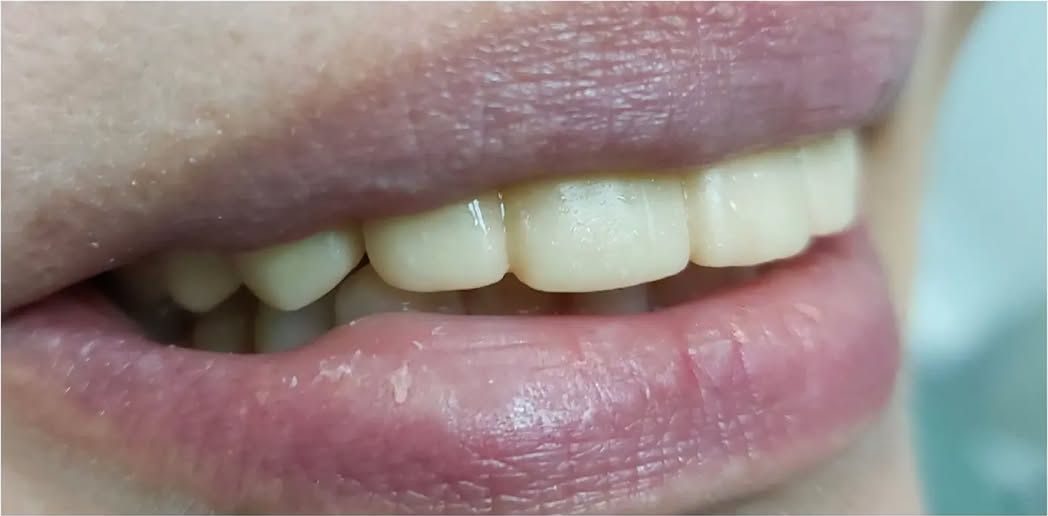
The approach

How Dr. Nour approaches it.

  1. 01

    Agree on the goal first

    The consultation starts with what you would like to change, and an honest account of what is achievable.

  2. 02

    Natural, not uniform

    The aim is a smile that belongs to the face. Natural beauty, not a standard template.

  3. 03

    The right treatment for each tooth

    One tooth may need a veneer, another a crown, another an implant. The plan uses what each tooth requires.

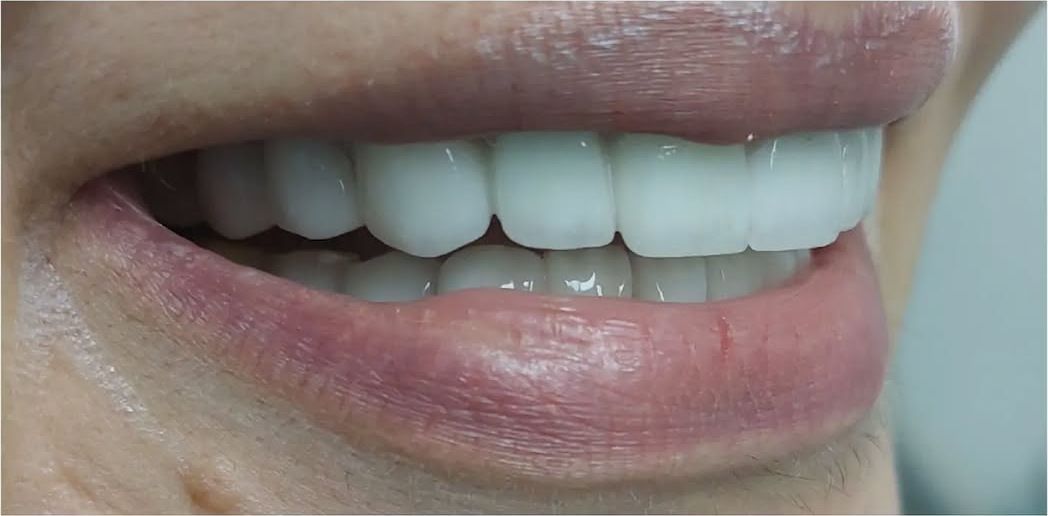
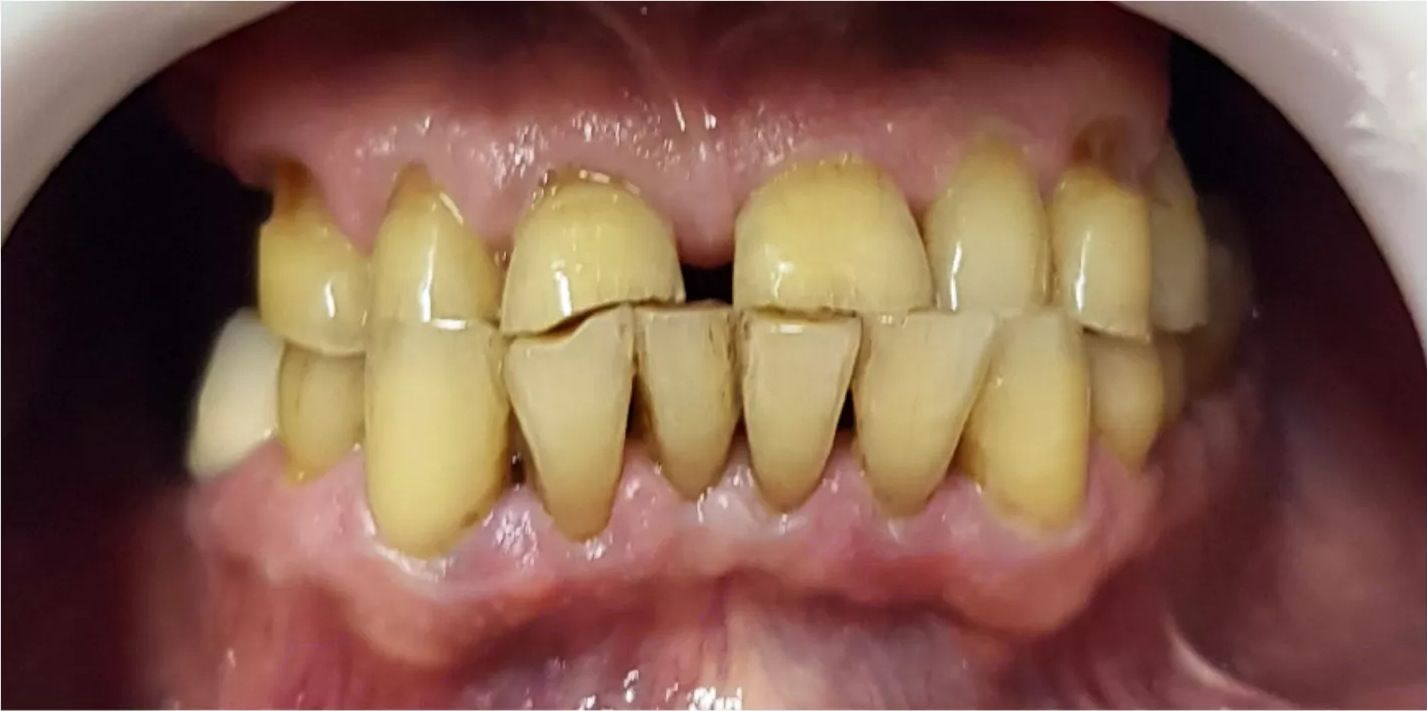
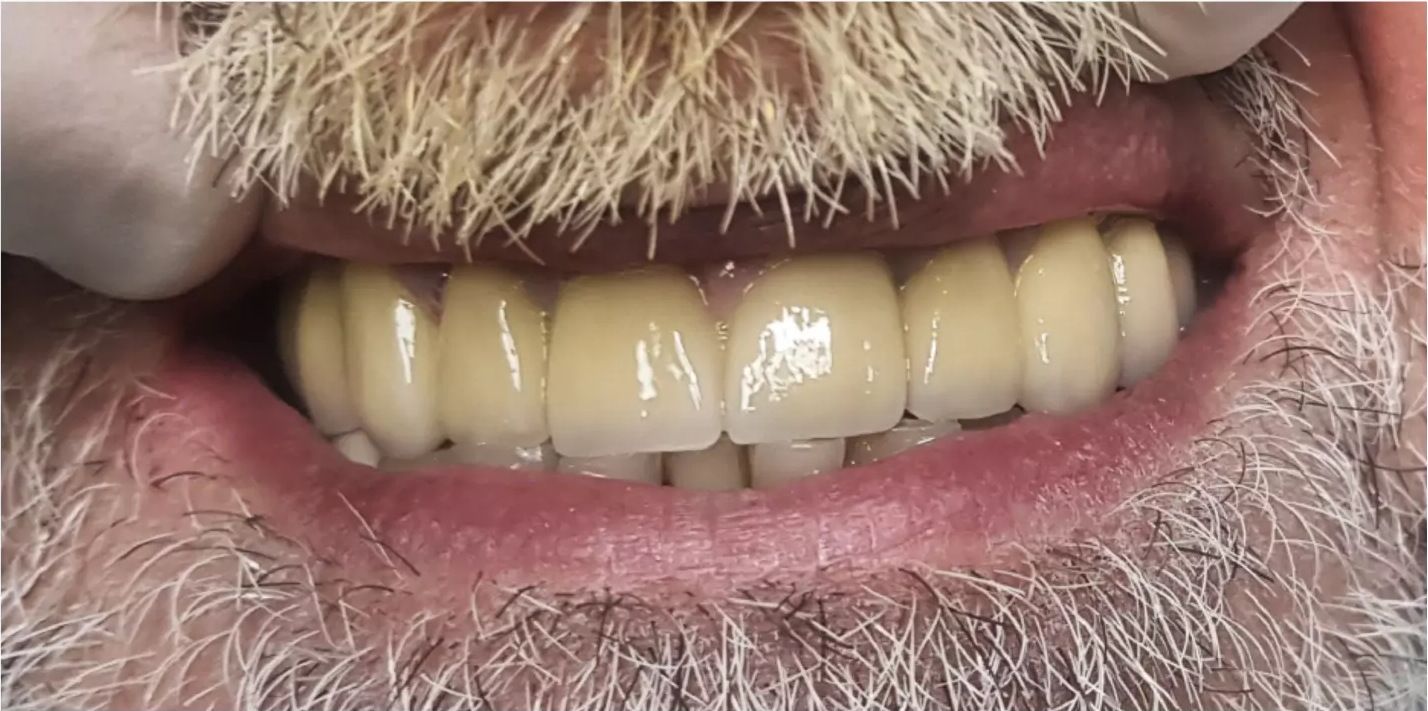
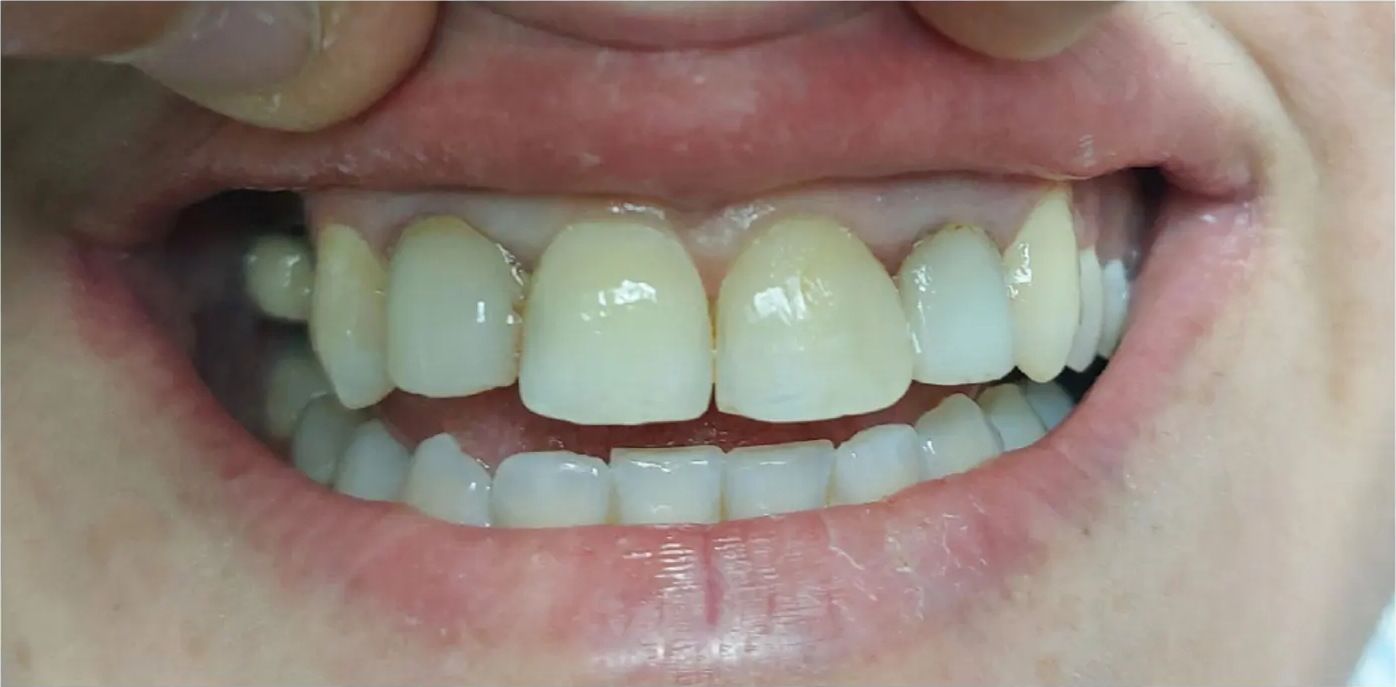
Related cases

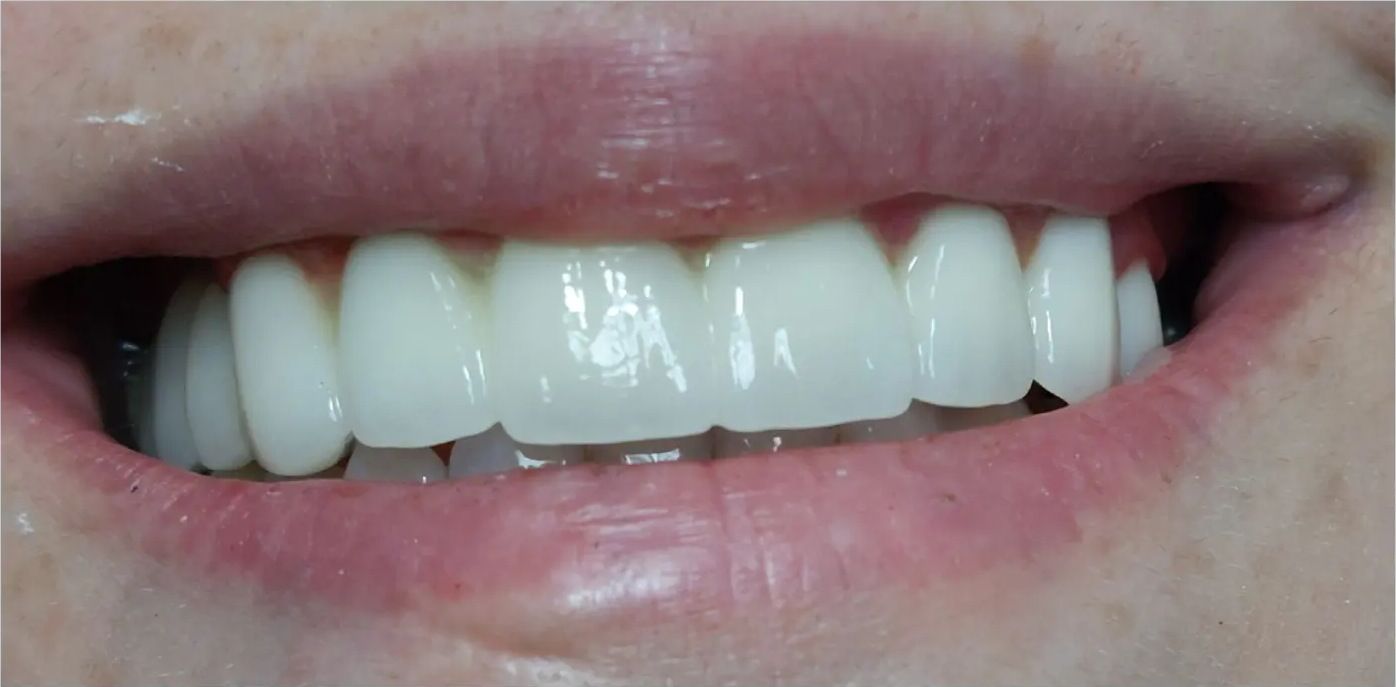
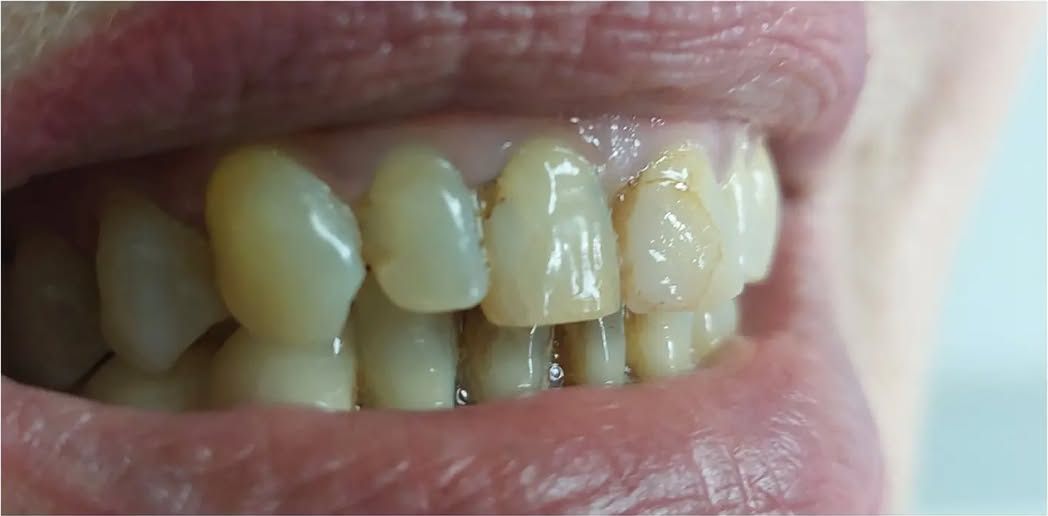
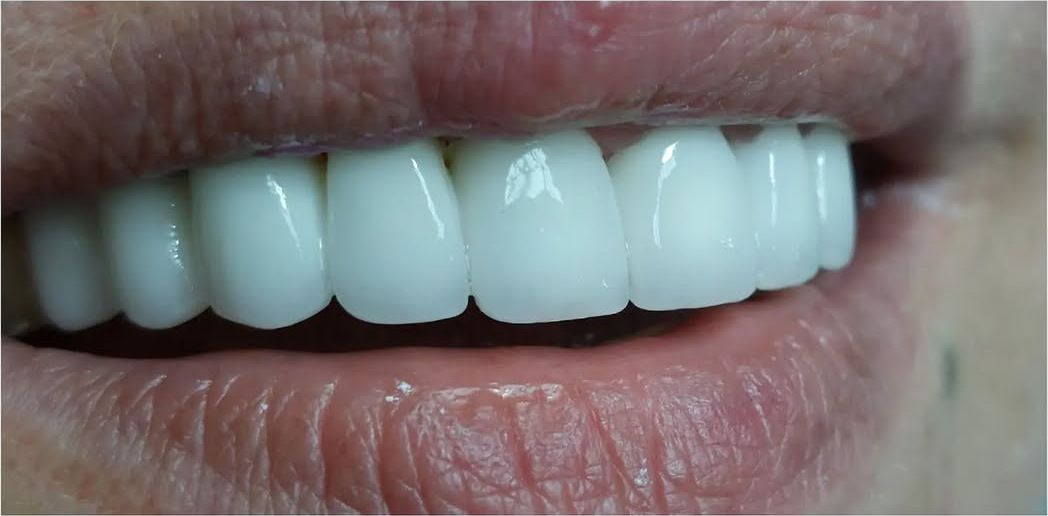
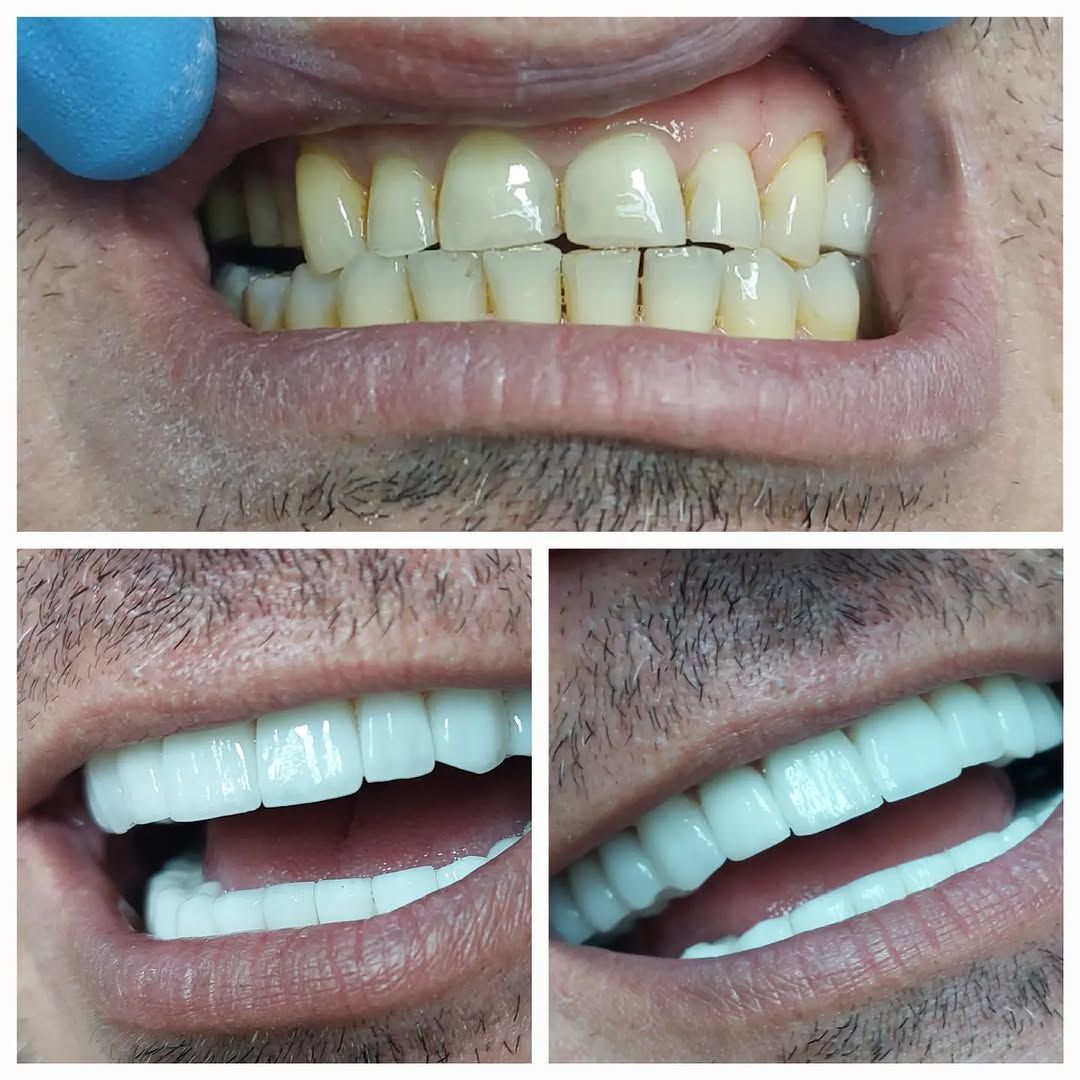
Smile Makeover, in practice.

Clinical outcomes vary between patients. The cases shown are examples of individual treatments and are not a guarantee of a particular result.

Questions

Frequently asked.

General information only. It does not replace an examination or personal advice from a dentist.

What is a smile makeover?

A smile makeover is a treatment plan that improves the overall appearance of the teeth, usually by combining more than one type of treatment, such as veneers, crowns, implants and alignment. It is planned around the face, the lips and the bite rather than tooth by tooth.

Which treatments are part of a smile makeover?

It depends on the starting point. Veneers, crowns, implants, whitening and alignment are the most common components, and many plans use more than one.

Can I see what the result will look like before treatment?

The planned changes are discussed in detail before treatment begins, using photographs and, where useful, a preview of the new shape. Photographs of other patients show what was done for them but cannot predict an individual result.

How long does a smile makeover take?

From a few visits to several months, depending on which treatments are involved and whether healing time is needed, for example after implant placement.

Will my teeth look too white?

Not if the shade is chosen well. Shade is matched to your skin tone, eyes and the look you want, with natural translucency rather than a flat white.

Is a smile makeover only cosmetic?

Often it also restores function, for example by rebuilding worn teeth, replacing missing ones or correcting the bite. Appearance and function are planned together.

Can treatment be done in stages?

Yes. Larger plans are often staged so the work can be spread over time, with the overall design agreed at the start.

Where

Other treatments

Appointments

Let’s create your next smile.

03 09 27 62

Appointments are arranged by phone or through the request form, at either clinic. Sending a request does not commit you to anything.