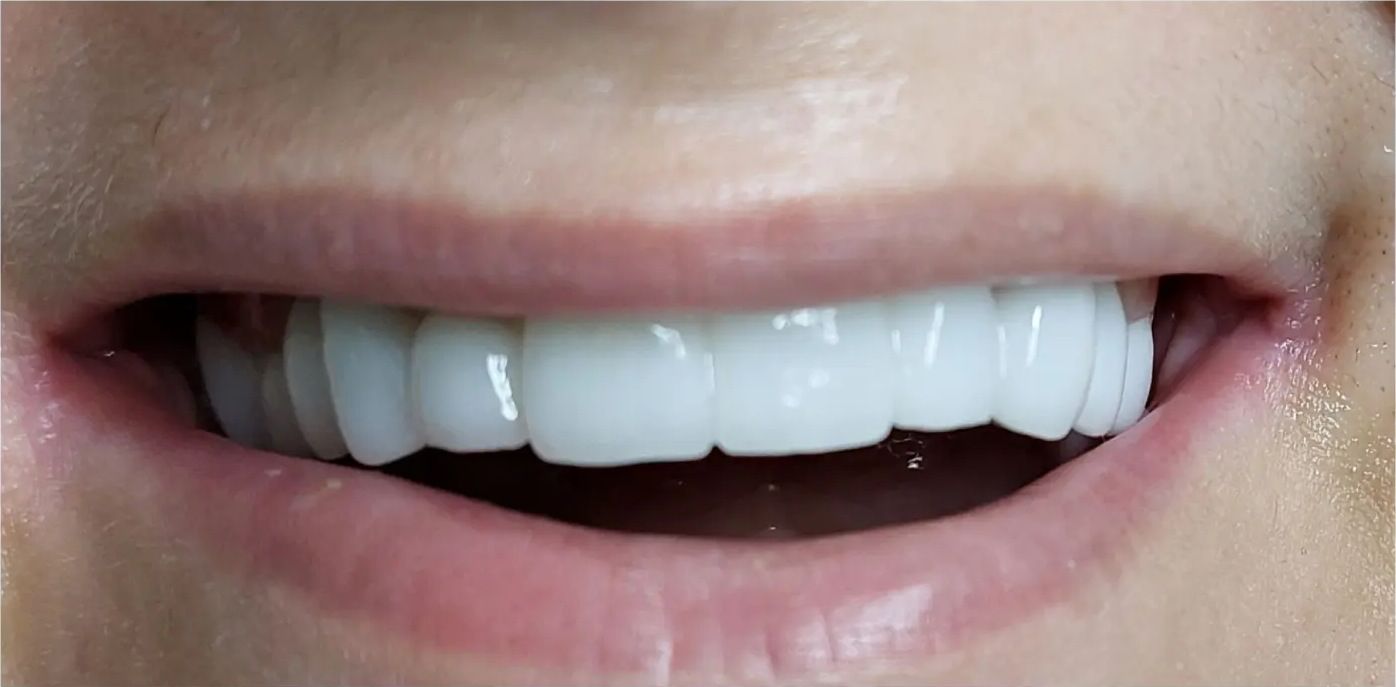

How crowns and restorations work
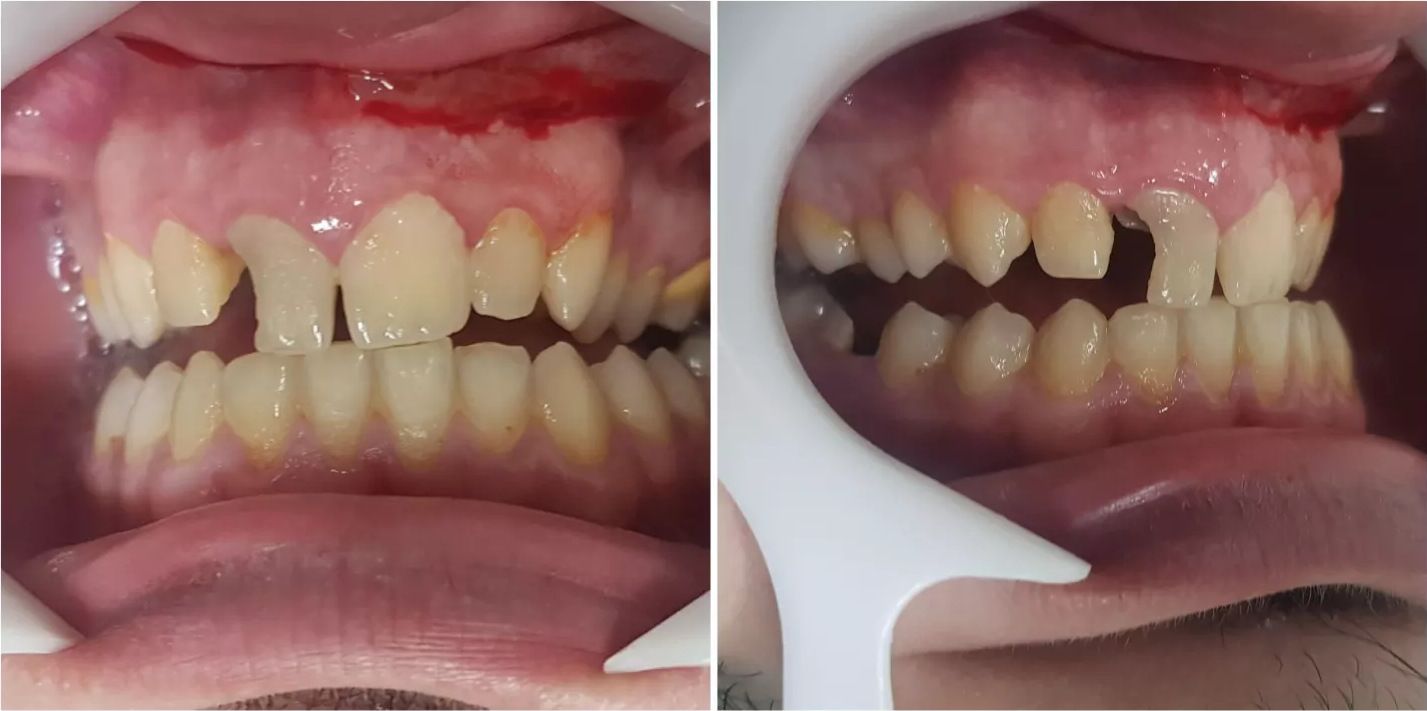
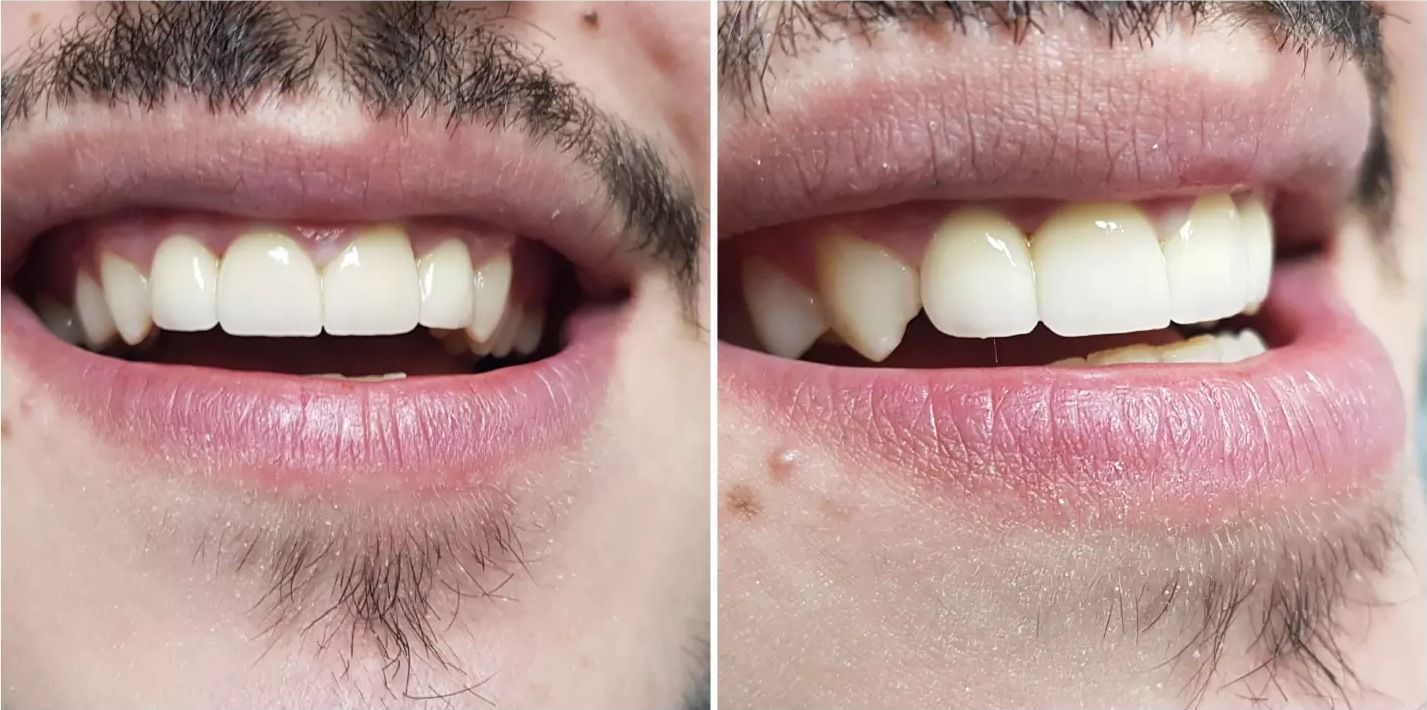
A tooth that is badly broken, decayed or worn loses both strength and shape. A filling can repair small areas, but when a large part of the tooth is gone, a filling alone may not hold, and the remaining tooth can crack. A crown covers the whole visible tooth like a fitted cap. It holds the remaining structure together, restores the shape needed for chewing and replaces the appearance of a natural tooth.
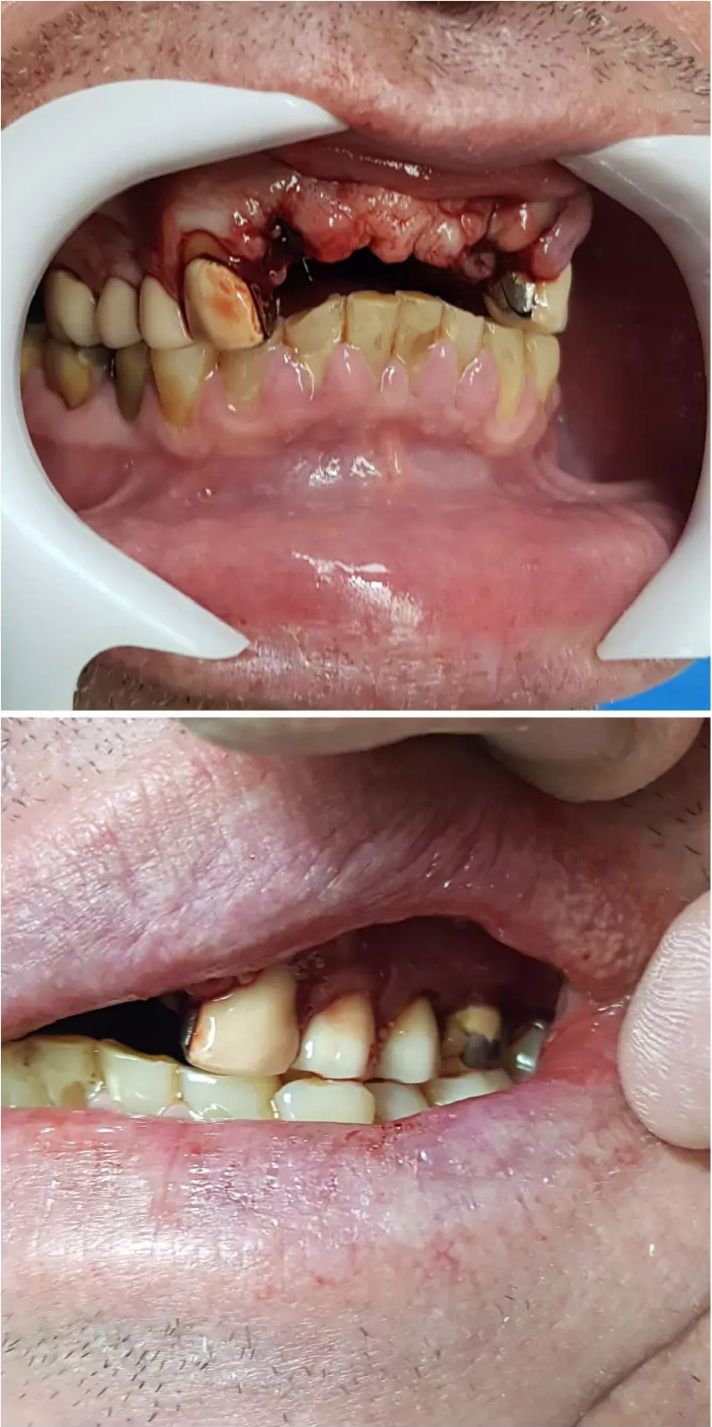
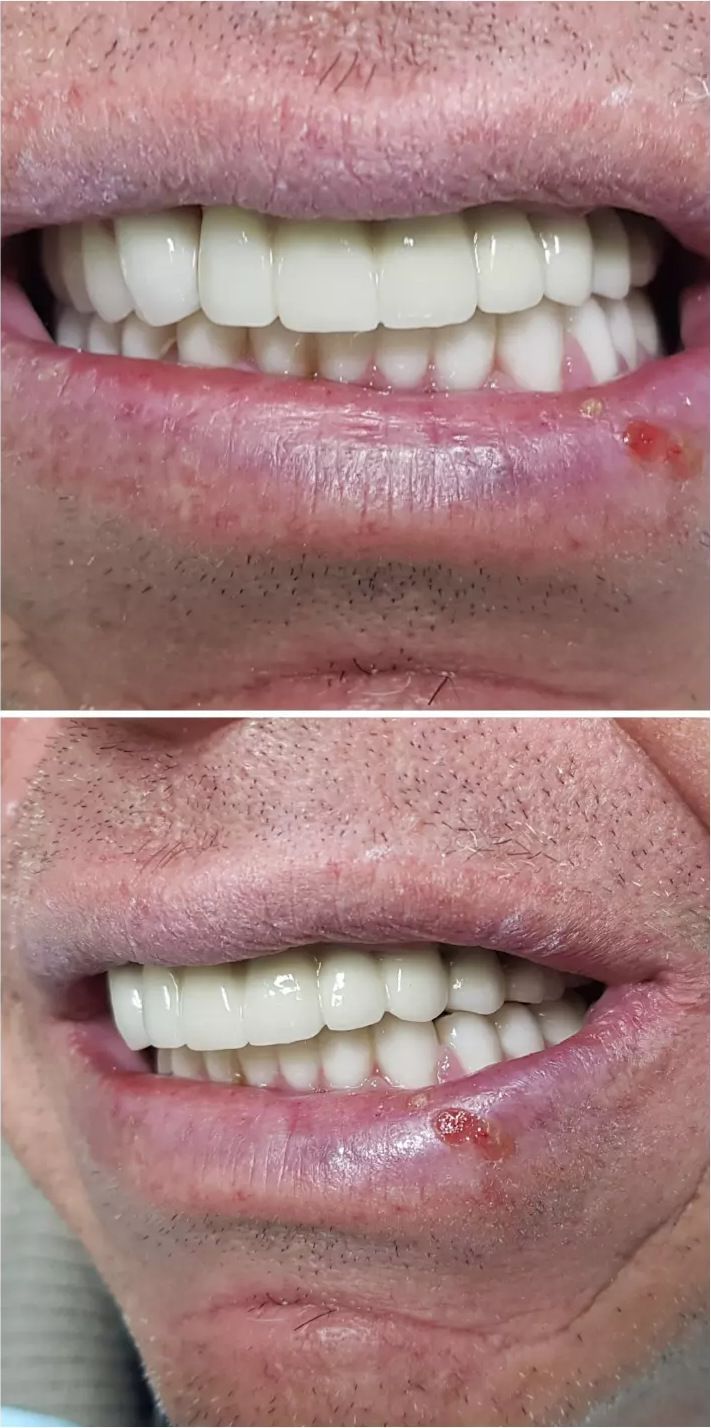
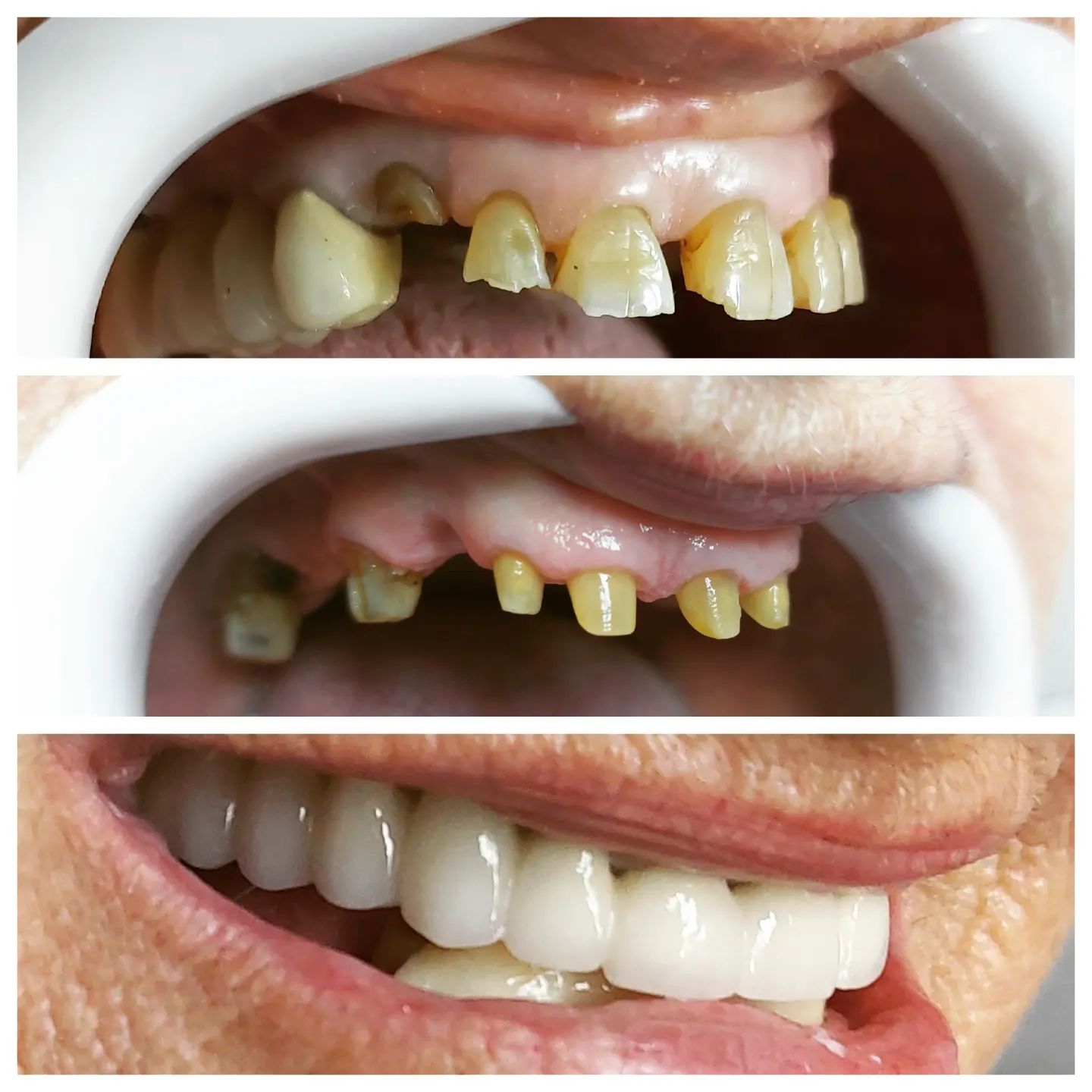
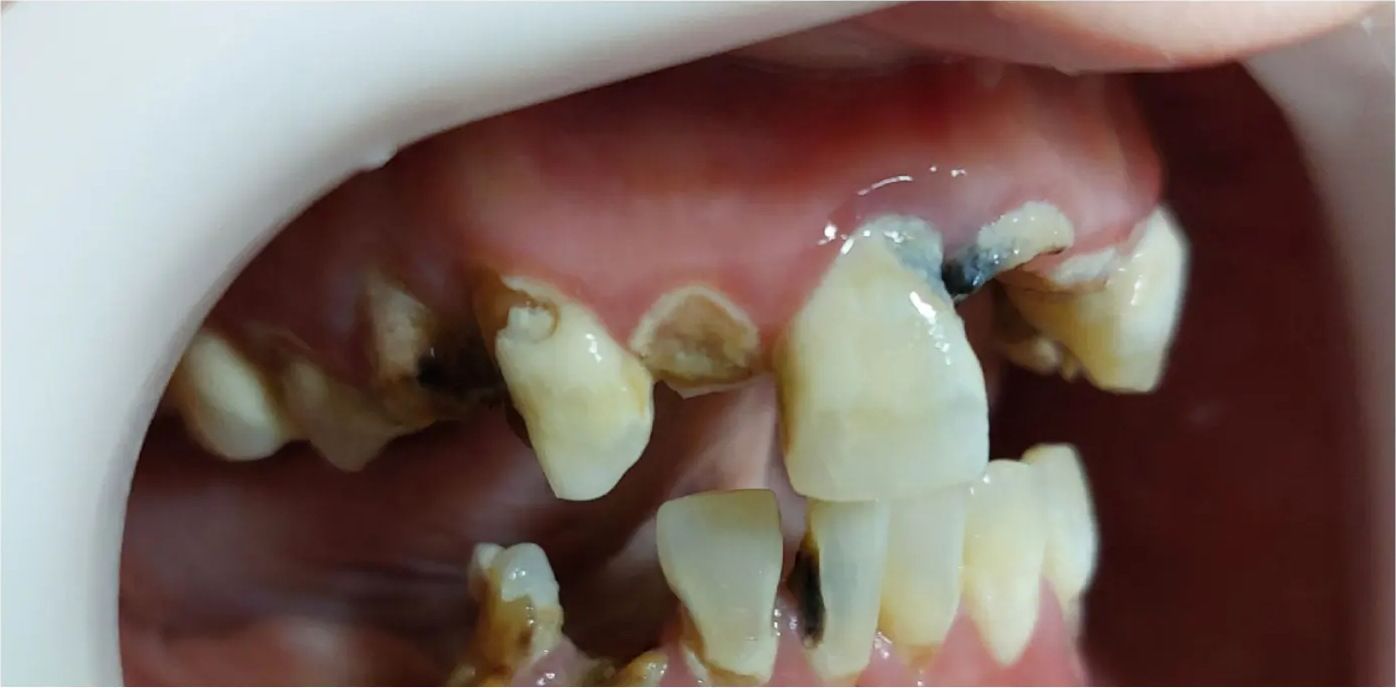
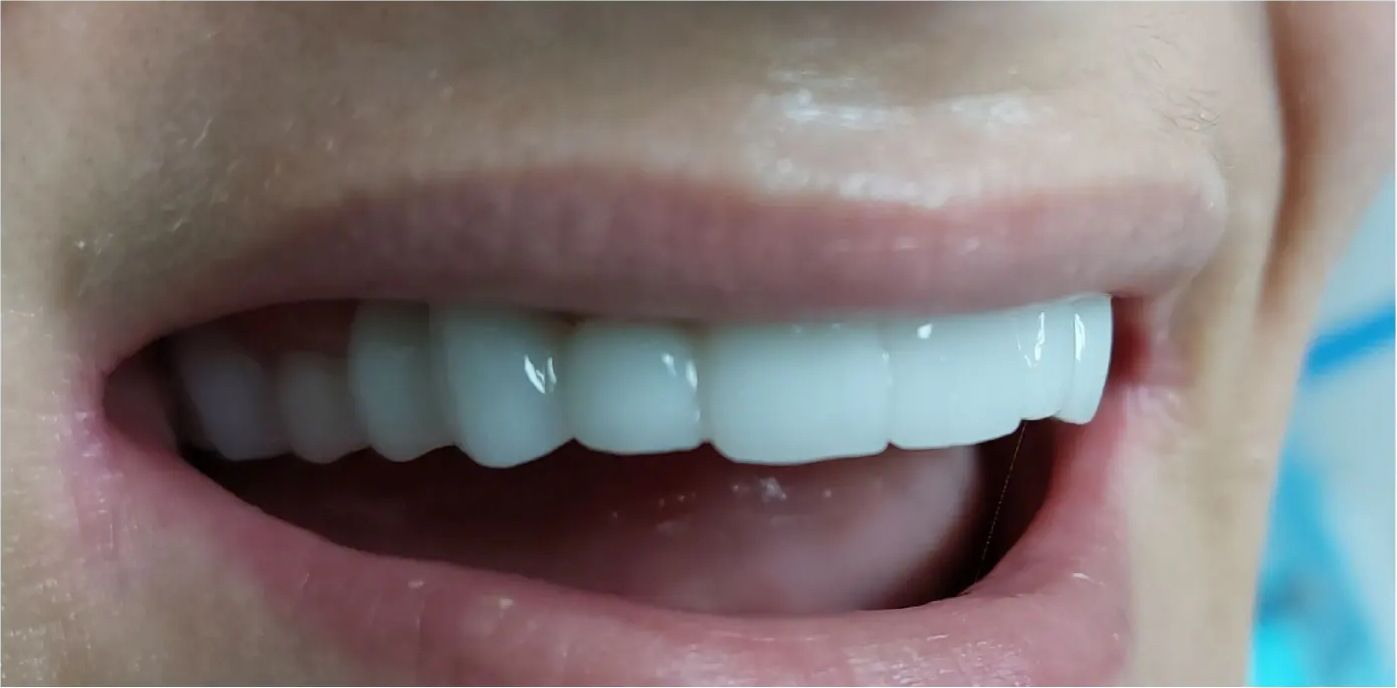
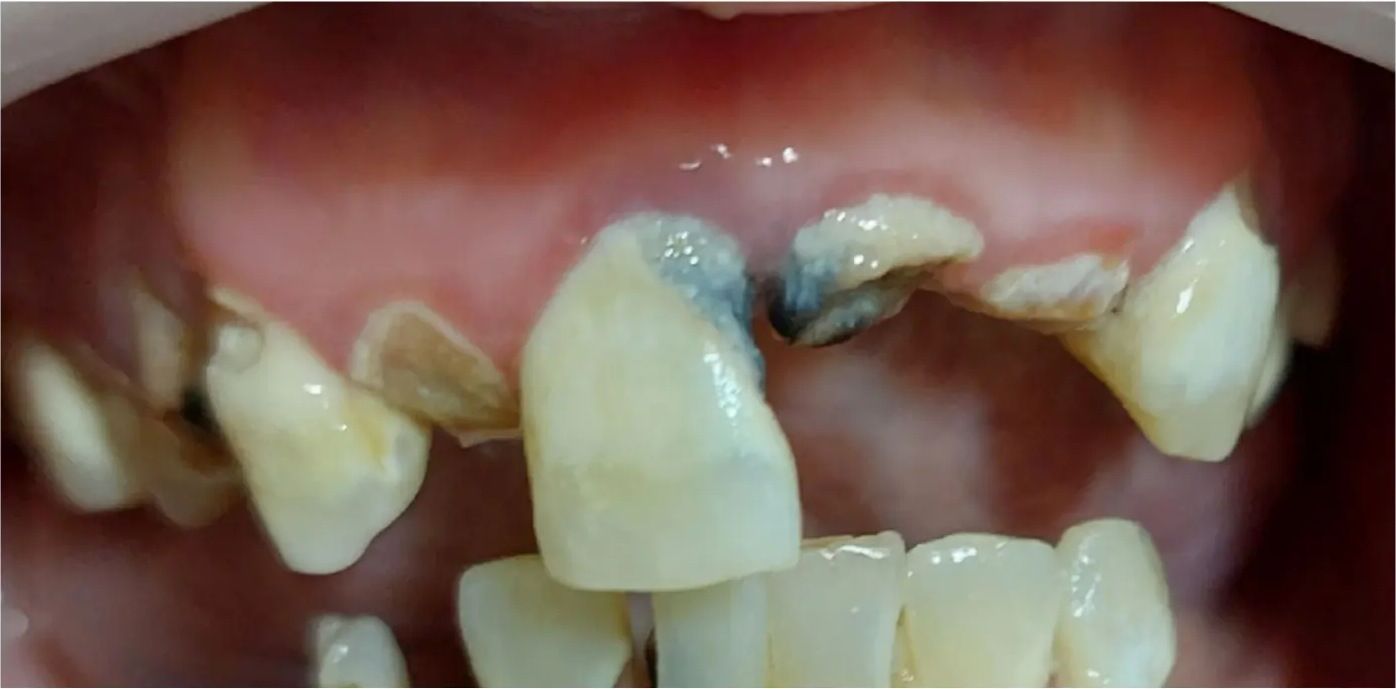
When many teeth are affected, restoration becomes a plan rather than a single procedure. Some of the most significant changes in the case library are restorations of this kind: teeth broken or worn to the gum line, rebuilt into a working smile with a combination of crowns, bridges and, where teeth could not be kept, implants.
Planning a full restoration
Restoring many teeth at once starts with the bite. Worn or missing teeth often mean the jaws close in a different position, and the new restorations need to recreate a comfortable, stable bite as well as a pleasing smile. Dr. Nour assesses each tooth, the gums, the jaw joints and the way the teeth meet. Teeth that can be predictably kept are restored. Those that cannot are replaced, sometimes with implants.
Photographs, models or scans help plan the shape and proportions of the finished smile. Large cases are usually carried out in stages, sometimes with temporary restorations in between so the new bite and appearance can be tested.
The treatment, step by step
- Examination. Teeth, gums, bite and existing restorations are examined, with X-rays to check roots and bone.
- Plan. The options and their sequence are set out, including which teeth are kept, restored or replaced.
- Preparation. Under local anaesthesia, each tooth is shaped so the crown has room to fit. Any decay is removed and the core rebuilt where needed.
- Temporaries. Temporary crowns protect the teeth while the final crowns are made.
- Fitting. The final crowns are tried in, checked for fit, colour and bite, then cemented or bonded in place.
After treatment
Some sensitivity to hot and cold is normal for a few days after crowns are fitted. The bite may feel different at first. If any tooth feels high or sore when you bite, it should be adjusted, so let the clinic know. A review checks the gums and the bite once everything has settled.
Looking after crowns
- Brush twice a day and clean between teeth daily, paying attention to the edge where the crown meets the gum.
- Avoid using your teeth to open packets or bite very hard objects.
- Wear a night guard if grinding has been identified.
- Keep regular reviews so the crowns, the gums and the underlying teeth can be checked.
Risks and limits
The tooth under a crown can still decay at the margin if it is not kept clean, and a tooth that has been heavily damaged may later need root canal treatment. Ceramic can chip under heavy forces. Preparing a tooth for a crown removes tooth structure, which is why the choice between a filling, a partial restoration and a full crown is made carefully for each tooth.
How the cost of restorations is worked out
The cost depends on the number of teeth, the type of restoration for each tooth, any root canal treatment, extractions or implants that are needed, temporaries, and the number of visits. Large restorations are staged and planned as a whole, and you receive a written plan setting out each stage before you decide.