Implants · Aftercare
Looking after dental implants for the long term
Implants cannot decay, but the gum and bone around them need care. A practical guide to daily cleaning, reviews and the signs worth reporting.
· 2 min read · Dr. Nour Khattab Badreddine
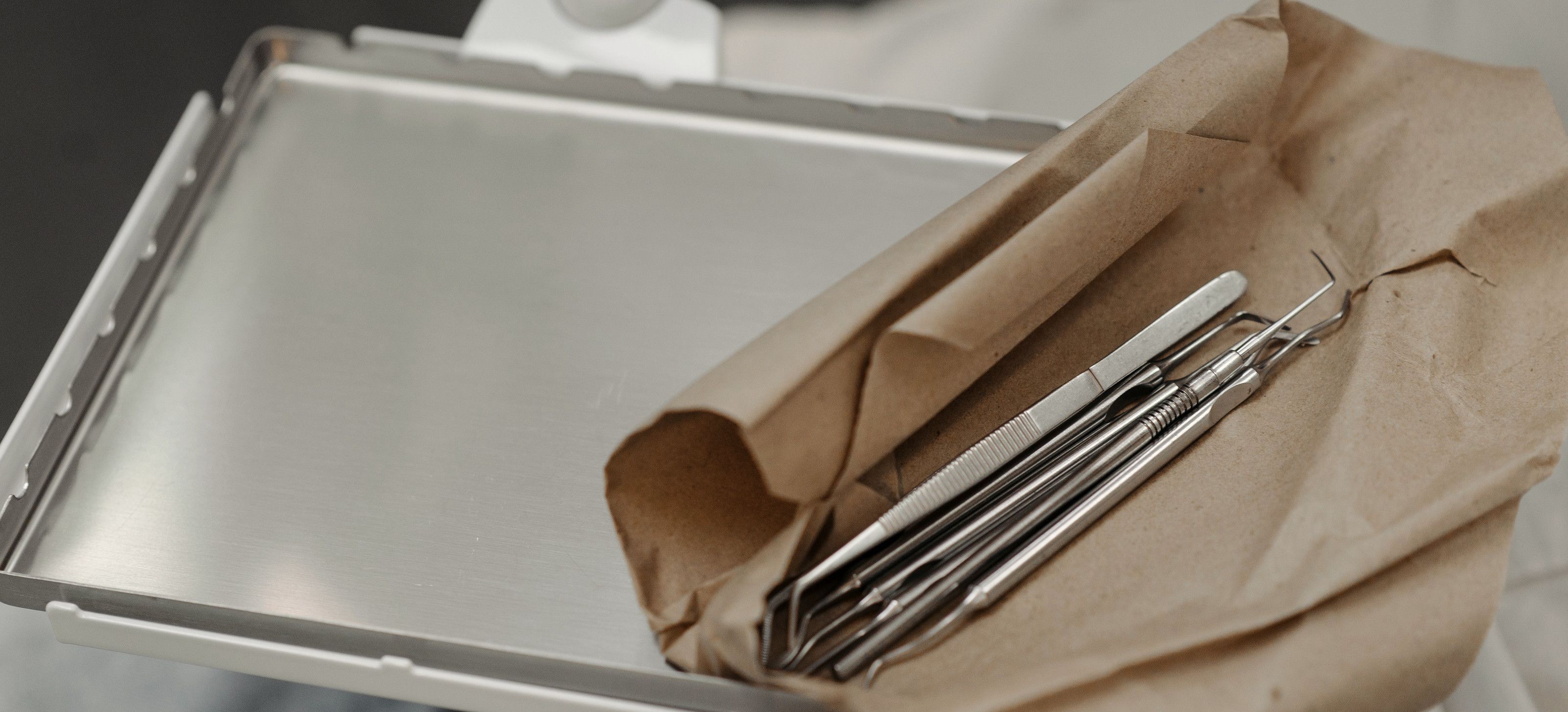
A dental implant is designed to last a long time, but how long depends a great deal on care. The good news is that the routine is simple, and it is similar to looking after natural teeth.
Why care matters
An implant itself cannot decay. The gum and bone around it, however, can become inflamed if plaque builds up. Mild inflammation of the gum around an implant is reversible. If it is left, it can progress to loss of the bone that supports the implant, in the same way gum disease affects natural teeth. Daily cleaning and regular reviews prevent most problems.
Daily cleaning
- Brush twice a day with a soft brush, paying attention to the point where the crown meets the gum.
- Clean between teeth and around implants once a day. Interdental brushes, floss designed for implants or a water flosser all work. Use the tools you were shown at your appointment.
- For a full arch, clean underneath the bridge as well as around it, where food and plaque can collect.
Professional reviews
Regular reviews let the dentist check the implant, the gum around it, the bite and the restoration on top. Professional cleaning removes deposits that home care misses. Problems found early are far easier to manage.
The practice’s approach is summed up in a line Dr. Nour shares with patients: “Still following up my patients.” The case library includes a radiograph of an implant six years after it was placed, taken at a follow-up visit.
Protecting implants
- Grinding and clenching put heavy forces on implants and their crowns. If you grind, a night guard may be recommended.
- Smoking affects the gum and bone around implants and increases the risk of problems.
- Hard objects such as ice, pens or bottle tops can chip crowns. Use your teeth for eating only.
Signs worth reporting
Contact the clinic if you notice:
- bleeding or swelling around an implant,
- a bad taste or discharge,
- a crown or bridge that feels loose or moves,
- pain when biting, or a change in how your teeth meet.
None of these should be ignored. Most are straightforward to deal with when caught early.
General health
Conditions such as diabetes, and some medicines, can affect the gum and bone. Let the clinic know about any changes in your health or medication.
A long-term partnership
Implants work best as a partnership between you and your dentist: daily care at home, and regular reviews in the clinic. If it has been a while since your last check, you can book a review in Beirut or Nabatieh.